Office Clearance in Brockley

Our office clearance in Brockley is arranged for businesses that need desks, chairs, storage, IT items and general workspace contents removed in a careful, orderly way. We handle clearances for occupied offices, vacant units, shared workspaces and premises being reconfigured, with attention to access, sorting and responsible removal. The aim is to keep the process straightforward while helping you free up usable space without unnecessary disruption.
Whether you are clearing a single room or a full floor, we can manage mixed office contents and separate items for reuse, recycling and disposal where appropriate. That can include filing cabinets, shelving, conference furniture, reception fittings and everyday workplace clutter. If you need a quotation, the easiest starting point is to get in touch with the details of what needs removing and the type of access involved.
We also support organisations that want a tidy handover after relocation, refurbishment or lease-end changes. In many cases, the work is about more than taking away unwanted items; it is about making the space practical again, reducing piled-up stock and leaving a clear route for follow-on trades or the next occupants. If you are planning ahead, a simple list of what stays and what goes is often enough to begin the conversation.
Clearance for workplaces of different sizes

Office environments vary widely, so our clearance work is shaped around the layout and the kind of contents present. A small suite may only need a few desks, monitors and archive boxes removed, while a larger premises can involve partition panels, meeting room furniture and items stored in multiple rooms. The work is planned so that the removal order makes sense, especially where access is shared with other tenants or staff are still working nearby.
We can deal with everyday office contents such as chairs, pedestals, cabinets, tables, screens and mixed general items that have built up over time. Where there are reusable pieces, it is sensible to separate them from damaged stock or broken fittings. That makes the clearance more organised and helps keep the process efficient. For some sites, the main requirement is simply to remove everything listed and leave the area ready for cleaning or refit.
For a quicker quotation, it helps to note the approximate number of rooms, any large or awkward items, floor level and whether loading access is straightforward. You do not need a full inventory to begin. A few photos can be useful, but a brief written summary works as well. When you are ready, ask for a clear office clearance quotation and we will shape the scope around the property.
Furniture, fixtures and office equipment

Many clearances focus on furniture and working fixtures rather than loose rubbish. Desks, task chairs, drawer units, shelving, cabinets, tables and meeting furniture are common examples, and these items need handling in a way that suits their size and condition. We also take account of parts that may need dismantling before removal, particularly where items have been fitted into tight rooms or grouped closely together.
Office equipment can be part of the same job, although it is sensible to separate items that are still serviceable from those that are no longer wanted. Computers, printers, monitors, phones and accessories may be included where the clearance scope allows it, but any specialist data-handling or asset processes should be agreed in advance. That keeps expectations clear and avoids confusion when items are mixed with ordinary furniture and fixtures.
Useful items can sometimes be grouped for relocation, resale or internal reuse, while damaged or obsolete pieces are sent for the appropriate route after removal. The exact approach depends on the contents and the instructions given for the premises. If you are comparing options, ask for pricing guidance on the items you want removed and mention any pieces that need dismantling before collection.
Working around access, timing and building rules
Office clearances often need to fit around other people using the building, so access matters. Shared entrances, lifts, stairs, loading bays and time restrictions can all affect how the work is arranged. The same applies to managed properties where there may be specific rules about noise, parking or the route used to move items out of the building. Clear instructions at the start help the clearance proceed in the right order.
Timing can also be important when a lease is ending, a refurbishment is due to begin or a team is moving into a different layout. In those situations, the removal schedule may need to sit alongside decorators, contractors or cleaners. It is usually best to identify which spaces need to stay operational, which ones can be emptied first and whether there are any items that must remain until a final sign-off has happened.
When you request a quotation, include the access details that will shape the work: floor level, lift availability, parking restrictions and whether there is a narrow corridor or shared entrance to consider. Contact us with those points and we can discuss the most suitable way to arrange the clearance.
Commercial waste removal and mixed contents
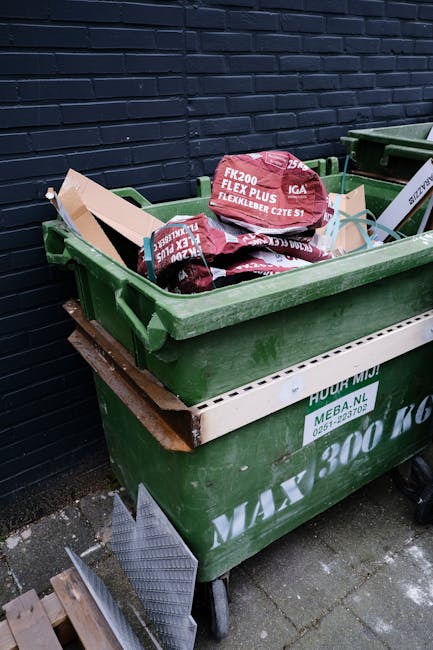
Some office jobs involve more than furniture. Paper, packaging, broken accessories, cupboard contents and general commercial waste can all appear during a clear-out, especially if storage rooms have been left untouched for a while. A practical clearance separates those mixed materials so that the load is organised and the removals are easier to manage. That is particularly useful where the office has several small rooms rather than one open-plan area.
We can support premises that want a broader waste removal alongside office clearance, provided the work is described clearly at the outset. This may suit teams that have accumulated redundant stock, display materials, old stationery or items from previous setups. The process is still shaped around the contents on site, not around a fixed list of assumptions, so it is better to describe what is actually there than to try to fit it into a generic category.
If the job includes mixed contents, it helps to state whether you need full removal or only certain categories taken away. That distinction affects the time needed and the vehicles or loading approach that may be appropriate. A concise enquiry is enough to start, and it is often easiest if you simply say: please quote for our office clearance and mention the main item groups involved.
What usually helps a quotation

A well-prepared quotation is based on the actual contents and the practical conditions at the site. Useful details include the approximate volume of items, how many rooms are involved, whether there are heavy pieces and whether any item needs dismantling. If the office is in a busy building, it is also helpful to say when access is available and whether there are limits on loading or parking.
For many customers, a straightforward description is enough: the rooms to be cleared, the main furniture pieces, and any items that must be left in place. Photographs can make the scope easier to understand, especially where cupboards or storage rooms contain a mixture of objects. If you prefer not to compile a long list, a short message with the main points will still allow us to discuss the work sensibly.
It is also useful to identify anything sensitive or specialised before the clearance starts. That might include locked storage, heavy filing, computer equipment or items that should be kept separate from general office furniture. Once the scope is clear, the clearance can be organised around what needs to move and what must remain. Request a quotation when you are ready and we will take it from there.
Recycling, reuse and responsible handling

Office clearances often generate a mix of materials, so responsible handling is an important part of the work. Reusable furniture may be kept separate from damaged pieces, while recyclable materials are sorted where suitable. This approach is especially useful when a workplace has built up old stock, surplus chairs or outdated fittings that are still in reasonable condition but no longer needed on site.
Where items cannot be reused, the next step is to deal with them in the correct way for the material involved. Offices can contain wood, metal, plastics, textiles and electronic equipment, so the contents are not always uniform. A sensible clearance plan considers these differences and avoids treating every load as if it were the same. That is one reason accurate descriptions matter when you ask for a quote.
Our aim is to make the clearance practical from the customer’s point of view: remove the agreed items, leave the remaining space in better order and keep the process clear from start to finish. If your office has a combination of furniture, equipment and general waste, it is worth asking for a pricing and quotes discussion so the scope can be matched to the job.
Office clearance for relocation and end-of-lease work
When a business is moving or handing a site back, office clearance becomes part of a wider changeover rather than a simple tidy-up. The work may need to happen after files have been packed, after equipment has been moved elsewhere or after a landlord has confirmed what must be removed. In those cases, the clearance has to follow a sensible sequence so that usable items are not taken away by mistake.
End-of-lease jobs often involve a mixture of furniture, wall-mounted pieces, storage units and forgotten items in cupboards or back rooms. Some premises also have communal areas such as kitchens, print corners or reception spaces that need attention at the same time. A well-planned clearance keeps these areas in view so that the whole premises can be left ready for the next stage.
When you are arranging this kind of work, make a note of any deadlines connected with the handover and the parts of the property that must stay untouched until the end. That gives a clearer picture of how the job should be sequenced. If you want to discuss a move-out or handover clearance, you can ask for our office clearance service as soon as you know the likely dates.
About Brockley
Brockley is a district in south-east London, within the London Borough of Lewisham, known for its mix of residential streets, railway links and green spaces. The area developed significantly with the arrival of rail transport in the nineteenth century, and much of its character still reflects that period of suburban growth. Brockley station, on the London Overground network, sits at the heart of the locality, while nearby stations such as Crofton Park and Nunhead help shape the wider pattern of movement and settlement. The streets around the centre contain many Victorian and Edwardian houses, including terraces that give the neighbourhood a consistent architectural rhythm and a strong sense of place. Several conservation areas help preserve the historic street scene, and the local environment is often marked by mature trees, small front gardens and long views along quiet roads. Brockley has also developed a reputation for arts, independent venues and community activity, with local events and creative spaces contributing to its identity. Hilly Fields is one of the most recognisable open spaces nearby, offering views across London and a setting for walking, recreation and informal gatherings. Telegraph Hill is another important green landmark in the wider area, with its parkland, historic significance and distinctive topography. The neighbourhood’s geography is shaped by gentle rises and dips rather than a flat urban grid, and that variation is part of its appeal. Brockley retains a local high street character in places, yet it also connects easily to surrounding districts, making it both self-contained and well linked to the rest of the city.
Office contents, archives and sensitive areas
Some office clearances are straightforward collections of furniture, while others include stored paperwork, archived files or rooms that have not been opened for a long time. Those jobs need careful sorting because the contents may include items that are to be retained, confidential material or objects that no longer belong in the working area. It is best to identify such spaces early so that the clearance can be planned around them.
Archive rooms, cupboard storage and server-adjacent areas can be awkward if the contents are tightly packed or mixed together. In those situations, the removal sequence matters as much as the final load. A room-by-room approach usually works better than trying to treat the whole office as one single space. That also gives you a better chance of keeping useful materials separate from items that are clearly ready to go.
Because office environments often contain both everyday furniture and more sensitive materials, it is sensible to be precise about what should be cleared. The more clearly the scope is described, the easier it is to set expectations and avoid removing anything that still has a business purpose. Tell us what must stay as well as what should leave, and the quotation can be shaped accordingly.
Planning the work and confirming the scope
The best office clearances begin with a clear description of the site rather than with assumptions. A few facts about the rooms involved, the kinds of items present and the building access are usually enough to establish the likely scale of the job. If there are separate zones to clear, it helps to say which ones come first and whether any area should be left untouched.
Useful planning often comes down to practical points. Which floor is the office on? Are there items that need dismantling? Is there a lift? Is parking available nearby? These details are not complicated, but they affect how the work is organised and help avoid surprises. They also make it easier to produce a quotation that reflects the real conditions on the day.
Where possible, keep the request focused on the actual service needed rather than on general background. That means saying what should be removed, what should remain and whether there are any access restrictions. If the job is ready to discuss, the simplest next step is to request an office clearance quote and provide the main details in one message.