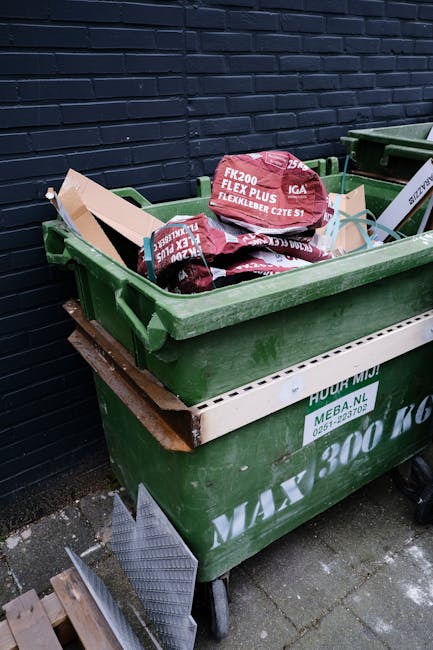
Best Rubbish Drop-Offs Near Brockley Market (SE4)
If you live, work, or trade around Brockley Market, rubbish has a habit of appearing at the worst possible time. One minute it is a broken chair, a bag of packaging, or a strip of old carpet; the next, it is taking up space in a flat, shop, van, or hallway. Finding the best rubbish drop-offs near Brockley Market (SE4) is less about chasing the nearest bin and more about choosing a practical, legal, and time-efficient way to get rid of waste without making your day harder.
This guide explains how rubbish drop-off options work, what to take, what to avoid, and how to decide whether a tip visit, a reuse route, or a professional clearance service is the smarter choice. If you want a cleaner space with less hassle, you are in the right place.
Quick takeaway: the best option is usually the one that matches the type of waste, the amount you have, and how much lifting, sorting, and travel you want to do.
Why Best Rubbish Drop-Offs Near Brockley Market (SE4) Matters
Brockley Market sits in a part of SE4 where homes, flats, small businesses, and weekend market activity all create different kinds of waste pressure. That matters because rubbish is rarely just "rubbish". A cardboard-heavy shop load, a few bits of household clutter, garden cuttings, and builders' rubble all need different handling. One drop-off point may work well for general household waste, while another may be better for bulky items or mixed loads. Choosing badly can mean wasted time, extra charges, or a return trip with the same load still in your vehicle.
It also matters because rubbish left too long becomes a practical nuisance. It blocks access, attracts pests, creates trip hazards, and can make a home or premises feel instantly less manageable. For landlords, tenants, market traders, and local businesses, a tidy waste plan is often the difference between staying on top of a job and letting it snowball.
In a busy local area, convenience is only part of the equation. A truly good rubbish drop-off option should be easy enough to use, suitable for the materials you have, and realistic for your schedule. If you are comparing routes, it can help to think beyond the nearest location and look at service fit, vehicle access, and what the site will actually accept. When the job is bigger than a few bin bags, options such as a dedicated waste removal service in Brockley may save far more time than a DIY run.
How Best Rubbish Drop-Offs Near Brockley Market (SE4) Works
Rubbish drop-off usually means taking waste to a facility or designated collection point rather than waiting for a regular bin collection. In practice, this may involve a household waste and recycling site, a licensed transfer station, a reuse or donation route for items in good condition, or a specialist service that collects and disposes of waste for you. The right choice depends on what you have and how quickly you need it gone.
The process is usually straightforward:
- Identify the type of waste you have.
- Sort items into broad categories such as household, garden, wood, metal, cardboard, or bulky furniture.
- Check whether the site or service accepts those materials.
- Load the vehicle safely so nothing shifts on the road.
- Take your waste to the right place, or arrange collection if drop-off is not practical.
The key thing many people overlook is site rules. Some locations limit certain materials, some require proof of address, and many separate waste streams on arrival. That sounds simple until you are standing there with mixed items and nowhere obvious to put them. A little planning helps. If you are dealing with larger domestic loads, a house clearance approach may be more efficient than trying to split everything into multiple drop-offs.
For commercial or mixed-use premises near Brockley Market, the logistics can become more involved. Business waste often needs a more formal route, especially where records, duty of care, or recurring pickups are part of the picture. In those cases, a dedicated business waste removal option may be more predictable than loading waste yourself every time.
Key Benefits and Practical Advantages
Using the best rubbish drop-off option for your situation brings a few clear advantages.
- Faster clearance: You can clear clutter on your own schedule instead of waiting around.
- Better sorting: Waste is easier to separate when you are intentional from the start.
- Lower risk of overflow: Useful when bins are full and the next collection is days away.
- More control: You decide what goes where and can keep useful items out of the waste stream.
- Cleaner results: A proper disposal route reduces the chance of fly-tipping or missed collections.
There is also a space benefit that is easy to underestimate. One cleared cupboard, hallway, garage, or work van can change how the whole property functions. If that sounds dramatic, ask anyone who has tried to live with a stack of old packaging and a damaged wardrobe in a small flat. It adds up fast.
For items that still have life left in them, disposal should not be the default. Furniture, fixtures, and usable household goods may be better suited to reuse, refurbishment, or specialist removal. A sensible first step is to see whether a furniture disposal or furniture clearance route fits the condition and volume of what you have.
Who This Is For and When It Makes Sense
This topic is relevant to a wide range of people in and around Brockley Market:
- Residents clearing out a flat, garage, loft, or spare room
- Landlords and letting agents handling post-tenancy waste
- Market traders dealing with packaging, damaged stock, and end-of-day waste
- Small businesses needing a one-off or recurring disposal solution
- Renovators and DIYers with builders' rubble, old fixtures, or renovation debris
- People downsizing who need a practical way to empty a property
It makes sense when the waste is too much for normal bins, too bulky for easy carry-through, or too awkward to leave for a standard collection. It is also useful when you want to keep a property presentable, for example before a sale, after a move, or in advance of guests, inspections, or a new tenant arriving.
Sometimes the right answer is not a drop-off at all. For a larger home clear-out, the time saved by a planned collection can be significant. A service such as home clearance or flat clearance is often more sensible when the job involves multiple rooms, stairs, or heavy lifting.
Step-by-Step Guidance
If you want a clean, efficient rubbish drop-off run, a simple plan is enough. The mistake most people make is trying to improvise on the day. That usually leads to overfilled bags, mixed waste, and too many second guesses.
- Define the waste stream. Decide whether you are dealing with household rubbish, green waste, builders' debris, furniture, office waste, or a mix.
- Separate reusable items. Put aside anything that could be sold, donated, repaired, or repurposed.
- Break down bulky pieces. Flat-pack cardboard, dismantled furniture, and cut-down branches travel better and take less room.
- Check access and vehicle capacity. A load that fits in your hallway may not fit safely in a car.
- Confirm acceptance rules. Make sure the destination accepts your waste type and quantity.
- Load safely. Heavier items at the bottom, lighter items on top, and nothing loose that could shift.
- Take proof and essentials. Some sites may ask for identification or address details, so keep them handy.
- Unload cleanly and keep receipts. This matters for record-keeping and peace of mind.
If the load includes mixed household clutter from a loft, garage, or garden, consider whether it would be quicker to book a more complete clearance instead. A targeted service like garage clearance, loft clearance, or garden clearance can save a lot of back-and-forth.
Expert Tips for Better Results
Good waste handling is mostly about reducing friction. A few small habits make the whole job easier.
- Sort before you lift. Sorting at the kerbside is slower and messier than sorting indoors or in the yard.
- Keep dry and wet waste apart. Damp waste is heavier, dirtier, and often more awkward to move.
- Use sturdy bags and boxes. Weak packaging tears at the worst possible moment.
- Photograph mixed loads before you go. This can help if you need to confirm what was removed or compare service quotes later.
- Think in layers. Small items fill gaps around larger ones and reduce wasted vehicle space.
- Do not assume all "rubbish" is treated the same. Wood, plasterboard, garden waste, mattresses, and metal often follow different handling paths.
One especially useful habit is to keep a small "maybe" pile. That is the furniture, box, or appliance you are not sure about. If it is reusable, a more selective route may be better than tipping it immediately. A local furniture clearance option can be a practical middle ground when items are too bulky for normal disposal but still have some value or reuse potential.
Expert summary: the best drop-off choice is rarely the most obvious one. It is the one that gets the right waste to the right place with the least wasted time, lifting, and guesswork.
Common Mistakes to Avoid
Most rubbish drop-off problems are preventable. The same mistakes come up again and again.
- Mixing everything into one load. This can create delays and reduce your disposal options.
- Ignoring restricted materials. Some waste needs separate handling, and guessing can be costly.
- Underestimating weight. Wet garden waste, rubble, and broken furniture can be much heavier than they look.
- Driving in a rush. A badly packed vehicle is unsafe and annoying to unload.
- Leaving waste outside "for later". That can create complaints, nuisance issues, or weather damage.
- Choosing the wrong service for a large job. Sometimes a drop-off trip is the less efficient option.
Builders' waste is a classic example. It is rarely neat, rarely light, and rarely worth pretending you will sort it "tomorrow". If your project involves plaster, timber, tiles, or general renovation debris, a dedicated builders' waste clearance service is often the calmer choice.
Tools, Resources and Recommendations
You do not need much kit, but the right basics make a real difference.
- Heavy-duty rubble sacks for dense waste and garden material
- Reusable boxes or crates for smaller items that would otherwise scatter
- Gloves for sharp edges, splinters, and dirt
- Dust sheets to protect vehicle interiors
- Tape, marker pen, and labels for sorting and identifying items
- Blankets or straps for securing bulky loads
For many people, the better resource is not a tool but a service page that helps compare routes. If you are weighing up a one-off clearance versus a drop-off run, you may want to review options such as office clearance for work premises, or broader waste removal for mixed domestic and commercial loads.
When you are checking a provider, it also helps to read the practical pages that show how they handle safety, payments, and sustainability. Those details matter more than glossy promises. A few useful examples include recycling and sustainability, payment and security, and insurance and safety. If you want to understand who you are dealing with, their about us page is worth a look too.
Law, Compliance, Standards, or Best Practice
Waste disposal in the UK is not something to improvise casually. Even where the task is simple, good practice matters. You should use licensed, legitimate disposal routes and avoid handing waste to anyone who cannot demonstrate that they are operating properly. That is especially important because improper disposal can create risks for the original waste producer, not just the person who moves it.
For householders, the practical rule is straightforward: know what you are giving away, know where it is going, and keep a sensible record if needed. For businesses, the bar is higher. You may need clearer records, more structured handling, and a reliable supplier for recurring collections. A proper business waste removal arrangement may also make reporting and compliance easier.
Best practice usually includes:
- Separating recyclable material where practical
- Keeping hazardous or specialist items apart from general waste
- Using reputable providers with clear terms
- Avoiding fly-tipping shortcuts, no matter how tempting they look
- Retaining invoices or receipts when waste is collected or disposed of professionally
If you are booking help rather than doing it yourself, read the service terms carefully. Pages such as terms and conditions and privacy policy are not glamorous, but they tell you how the service operates, what data is collected, and what responsibilities sit where. That is basic due diligence, not admin for the sake of it.
Options, Methods, or Comparison Table
There is no single best answer for everyone near Brockley Market. The most practical route depends on what you are getting rid of and how much effort you want to spend.
| Option | Best for | Pros | Watch-outs |
|---|---|---|---|
| Self drop-off | Small to medium loads, sorted waste | Useful when you have transport and time | Requires lifting, sorting, and a return trip |
| Reuse or donation | Usable furniture and household items | Can extend item life and reduce waste | Not suitable for damaged or dirty items |
| Specialist clearance | Bulky, mixed, or awkward loads | Less effort, faster turnaround | Often costs more than doing it yourself |
| Business waste service | Recurring commercial waste | Structured, reliable, easier to manage | Needs the right service fit and schedule |
If your main issue is a single bulky item, self drop-off may be enough. If you are emptying a room, sorting a flat, or dealing with a week's worth of mixed clutter, a managed service usually makes more sense. The real comparison is not just cost. It is cost against time, effort, and the risk of needing to do the whole thing twice.
Case Study or Real-World Example
Consider a typical Brockley SE4 scenario: a tenant is moving out of a flat near the market and discovers a mix of old shelving, broken kitchen chairs, flattened cardboard, a few bagged general items, and some leftover bits from a DIY shelving job. At first glance, it feels manageable. After one evening of lifting, though, it becomes clear that the load is awkward, the stairwell is narrow, and the vehicle is smaller than expected.
The tenant has two practical choices. They can split the load into several drop-off trips, which means extra time, fuel, and lifting. Or they can use a clearance service that takes the lot in one go, provided the items are suitable. In many real situations like this, a flat clearance service is the more efficient path because it handles mixed contents without turning the move-out into a weekend project.
That is the main lesson: the right rubbish solution is often the one that reduces decision fatigue. Once you are juggling keys, moving boxes, and final clean-up, simplicity becomes valuable very quickly.
Practical Checklist
Use this checklist before you head out or book a collection.
- Have I identified the waste type correctly?
- Can anything be reused, donated, or sold?
- Have I separated garden, furniture, cardboard, and rubble where possible?
- Is the waste safe to move and load?
- Do I know whether the destination accepts this material?
- Have I checked opening times, access, and vehicle limits?
- Do I need help with lifting or loading?
- Would a specialist service be quicker than a drop-off trip?
- Have I kept any receipts, quotes, or job details I may need later?
For properties that need a fuller reset, a broader domestic service such as house clearance or a more targeted garage clearance can be the simplest way to tick all the boxes without multiple journeys.
Conclusion
The best rubbish drop-offs near Brockley Market (SE4) are the ones that make disposal feel straightforward rather than stressful. If you have a small, sorted load and the time to do it, a self-managed drop-off may be perfect. If the waste is bulky, mixed, or time-sensitive, a professional clearance route is often the better choice.
The sensible approach is to match the method to the job. Start with the type of waste, check what is accepted, and be honest about the amount of effort involved. That simple bit of planning will save you more hassle than most people expect.
If you want help comparing your options, reviewing service pages, or arranging a practical clearance, use the links in this article to explore the most relevant next step.
Get a free quote today and see how much you can save.
Frequently Asked Questions
What counts as rubbish drop-off near Brockley Market?
It usually means taking waste to a licensed site, transfer station, or suitable collection point rather than leaving it for ordinary household bins. The best option depends on the material and volume.
Can I take mixed waste in one go?
Sometimes, but mixed loads are often harder to handle and may be restricted at some sites. Sorting waste first usually makes the process easier and reduces the chance of being turned away.
What should I do with old furniture?
If it is reusable, donation or resale may be worth considering. If not, furniture clearance or disposal is usually more practical than trying to force it into a standard rubbish route.
Is builders' waste accepted everywhere?
No. Builders' waste often follows different handling rules, and some places will not take certain materials. It is best to check before you travel, especially for rubble, plaster, and heavy debris.
How do I know if a waste company is trustworthy?
Look for clear terms, safety information, proper service pages, and transparent contact details. Useful pages to review include insurance, payment, and recycling information, plus the provider's about page.
What is the easiest option for a flat clearance?
In many cases, a dedicated flat clearance service is the least disruptive route because it handles lifting, loading, and disposal in one go. That can be much simpler than making repeated trips yourself.
Do I need to sort recycling before I drop it off?
It helps, and in some cases it is expected. Sorting cardboard, metal, wood, and green waste separately often makes disposal smoother and can improve reuse or recycling outcomes.
What if I only have one bulky item?
For one bulky item, self drop-off can work if you have the right vehicle and the site accepts it. If it is heavy or awkward, a collection service may be easier and safer.
Can businesses use the same rubbish drop-off approach as households?
Sometimes, but commercial waste often needs a more structured arrangement. Businesses usually benefit from a dedicated waste removal or regular collection service rather than ad hoc trips.
How do I avoid fly-tipping mistakes?
Use only legitimate disposal routes, keep records where appropriate, and do not hand waste to anyone who cannot explain where it will go. A cheap shortcut is rarely worth the risk.
What if I am not sure whether to clear or dispose of items?
If items are in decent condition, consider clearance or reuse first. If they are damaged, dirty, or beyond repair, disposal is usually the better route. When in doubt, a mixed clearance service can be a practical middle ground.
Where can I learn more about local service options?
Start with service pages covering waste removal, furniture disposal, home and office clearance, and sustainability. Those pages give a clearer picture of what is available and which option suits your situation best.