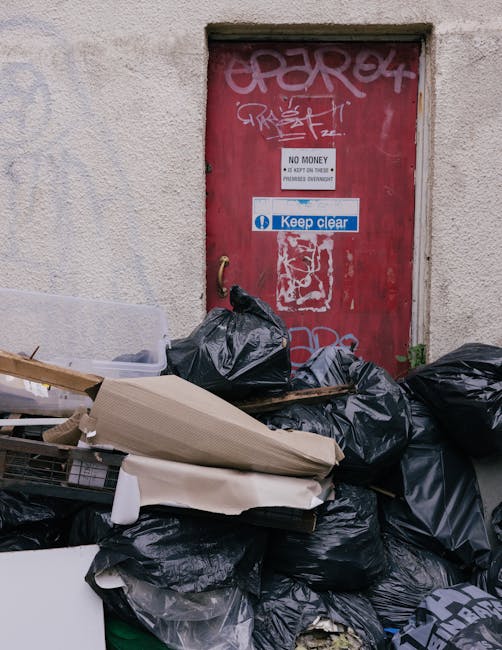
Brockley fly-tipping fines and how to report incidents
Fly-tipping is one of those problems that seems small until you see it up close: a dumped mattress on a quiet street, black bags split open near a bin store, or broken furniture left where people walk to the station. If you live, work, or manage property in Brockley, knowing about Brockley fly-tipping fines and how to report incidents can save time, protect your neighbourhood, and help stop repeat dumping. It also helps you avoid the awkward bit nobody wants to deal with: finding waste on your own land and wondering who is responsible.
This guide explains how fly-tipping is usually handled, what fines can mean in practice, how reporting works, and what to do if the waste is on private property. You will also find a clear step-by-step process, common mistakes to avoid, and practical tips that make the whole thing less stressful. Truth be told, the paperwork is rarely the exciting part - but getting the right details down early can make a real difference.
Table of Contents
- Why Brockley fly-tipping fines and how to report incidents Matters
- How Brockley fly-tipping fines and how to report incidents Works
- Key Benefits and Practical Advantages
- Who This Is For and When It Makes Sense
- Step-by-Step Guidance
- Expert Tips for Better Results
- Common Mistakes to Avoid
- Tools, Resources and Recommendations
- Law, Compliance, Standards, or Best Practice
- Options, Methods, or Comparison Table
- Case Study or Real-World Example
- Practical Checklist
- Conclusion
- Frequently Asked Questions
Why Brockley fly-tipping fines and how to report incidents Matters
Fly-tipping is not just an eyesore. In a place like Brockley, where streets, shared accessways, small front gardens, and communal bins all sit fairly close together, dumped waste can quickly become a nuisance for everyone. It attracts more rubbish, blocks pavements, creates trip hazards, and can make an area feel neglected even when most residents are doing the right thing.
Fines matter because they are part of the deterrent. When people dump waste illegally, they can face enforcement action, and in more serious cases that may include a fine, prosecution, or other penalties depending on the circumstances. The exact outcome depends on the evidence, the type of waste, and the authority handling the case. That is why reporting properly matters too. A good report can help officers investigate faster and may stop the same spot being hit again next week. Annoying as it is, fly-tipping often becomes a pattern if nobody flags it early.
There is also a practical side. If you are a landlord, tenant, homeowner, business owner, or managing agent in Brockley, knowing how to report fly-tipping incidents helps you respond quickly, protect your premises, and show that you acted responsibly. That can be useful if questions arise later about when the waste appeared or what was done about it.
Practical takeaway: If you spot fly-tipped waste, report it with clear details as soon as you can, and keep your own records. That simple habit saves a lot of back-and-forth later.
How Brockley fly-tipping fines and how to report incidents Works
In plain English, the process usually has two parts: reporting the dumped waste, and then deciding whether enforcement action is appropriate. Reporting is the visible part. Enforcement is the follow-up, and it depends on what evidence is available and who is responsible for the land.
If the waste is on a public street, verge, alley, or other council-managed land, the local authority is usually the first place to notify. If it is on private land, the landowner or managing agent may still need to report it, but they may also need to arrange removal themselves. This is where people often get caught out. A pile of rubbish on private land is still a problem, but it does not always mean the council will remove it for free. That part tends to surprise people, every time.
Fines are typically linked to the person believed to have dumped the waste, or to someone who failed to comply with duty-of-care responsibilities around waste handling. In practice, authorities look for evidence such as labels, receipts, CCTV, witness statements, vehicle details, or identifying documents found in the waste. Not every case leads to a fine, because not every case can be proved. That is just the reality.
It also helps to understand the difference between fly-tipping and ordinary household clutter. A bag left beside a bin because collection was missed is a different issue from dumped building waste, broken furniture, tyres, or sacks left intentionally in an unsuitable place. The latter is the sort of thing most people mean by illegal dumping.
Key Benefits and Practical Advantages
Reporting fly-tipping quickly is not only about enforcement. It has a few real-world benefits that people often overlook.
- Cleaner streets and shared spaces: The sooner a report is made, the sooner the waste can be removed or investigated.
- Better chances of identifying the offender: Fresh evidence, such as vehicle details or intact labels, is easier to act on than a mound of rubbish that has sat there for days.
- Lower risk of repeat dumping: Problem spots can be monitored more effectively when they are reported consistently.
- Clearer records for residents and property managers: If you need to show when an incident was discovered, your notes matter.
- More confidence when dealing with insurers, landlords, or neighbours: A simple timeline can reduce arguments later.
There is also a community benefit that is harder to measure but easy to feel. Streets with fewer dumped items tend to feel cared for. People notice. Children notice. Dog walkers notice at 7:30 in the morning when the pavement still smells damp and the bin bags have started to split. It sounds minor, but it adds up.
Who This Is For and When It Makes Sense
This topic is relevant to more people than you might think. In Brockley, it commonly matters to:
- homeowners dealing with rubbish left outside or near shared access points
- tenants who spot dumped items near a block or on a street they use every day
- landlords and letting agents managing frontages, bin stores, or communal areas
- business owners with shopfronts, rear entrances, or service yards
- resident groups and caretakers trying to keep shared spaces usable
- anyone who wants to report illegal dumping without making things worse
It makes sense to act when the waste looks abandoned, blocks access, creates a hazard, or contains items that could identify the offender. It also makes sense if the same spot keeps getting hit. Repeated incidents are not something to shrug off. They often point to a pattern, and patterns are easier to address when they are documented properly.
If the waste looks dangerous - broken glass, needles, chemicals, or leaking material - do not touch it. Report it and keep your distance. Common sense, really, but in the moment people sometimes try to "tidy it up" quickly and then regret it.
Step-by-Step Guidance
Here is the simplest way to handle Brockley fly-tipping fines and how to report incidents without missing the useful details.
- Check the location carefully. Note whether the waste is on public land, beside a road, in a communal area, or on private property.
- Take clear photos. Capture the whole scene first, then take closer pictures of any labels, packaging, vehicle marks, or unusual items.
- Record the basics. Write down the date, approximate time, exact spot, and whether the waste appears new or has been there a while.
- Look for evidence, but do not handle it. Receipts, letters, shipping labels, or council-related bags can all matter. Leave them where they are.
- Check for immediate danger. If the waste is blocking access, creating a fire risk, or looks hazardous, treat it as urgent.
- Report it to the right place. Public land and private land can be handled differently, so make sure you are notifying the correct body or property contact.
- Keep a copy of what you reported. Save screenshots, reference numbers, emails, or notes of who you spoke to and when.
- Follow up if the waste stays put. If nothing changes and the situation is worsening, send an updated report with fresh photos.
A small but useful detail: if there are tyre marks, a colour of van, or part of a number plate, note it immediately. Memory fades quickly. By the afternoon, even a very determined person can forget whether it was a white van, a silver estate, or something in between. Happens all the time.
How to make your report more effective
A strong report is factual, short, and specific. The best ones usually include:
- exact location and nearest landmark
- what was dumped
- rough quantity or size
- date and time discovered
- photos from a safe distance
- anything that suggests who dumped it
- your contact details if follow-up is needed
If you are reporting on behalf of a building or business, use the same format each time. Consistency helps when you have to compare incidents later. That can be especially useful for managing agents and landlords who deal with repeat dumping near entrances or bin stores.
Expert Tips for Better Results
People often think the key to dealing with fly-tipping is just reporting it. Reporting is important, yes, but the quality of the report is what changes the outcome. A few practical habits can make a big difference.
- Photograph from a distance first: This shows the full context before you zoom in on labels or damage.
- Include one image that proves the location: A street sign, building number, or distinctive corner helps.
- Make notes while the scene is fresh: Ten minutes later, details start slipping away.
- Separate facts from assumptions: Say what you saw, not what you think happened unless there is clear evidence.
- Keep repeat-incident records: If the same alley or pavement keeps being targeted, patterns matter.
One of the best things you can do, quietly and without fuss, is keep a running log. Date, time, type of waste, action taken. That is it. Not glamorous, but extremely useful. Councils, landlords, and enforcement teams all tend to prefer clean records over vague memories.
If you manage shared spaces, it is worth putting a simple reporting routine in place. Even a short internal process helps staff act quickly and reduces confusion about who did what. Nobody enjoys the "I thought someone else had reported it" conversation.
Common Mistakes to Avoid
Fly-tipping reports go wrong more often than people expect. Usually it is because someone is rushed, annoyed, or trying to be helpful in the wrong way.
- Removing evidence before taking photos: Once you bag it up, labels and clues may be gone.
- Touching unknown waste: This can be unsafe and may interfere with investigation.
- Reporting the wrong location: Public land and private land are not always handled the same way.
- Using vague descriptions: "Rubbish near the road" is much less useful than a precise spot.
- Assuming the council will remove everything immediately: Response times can vary depending on location and urgency.
- Throwing away visible identifiers: Bank letters, shipping labels, and packaging can matter even if they look like junk.
Another common mistake is not following up. A single report is good. A report plus a clear update if the waste remains is better. It shows the problem is ongoing, and sometimes that is what moves the case along.
Tools, Resources and Recommendations
You do not need specialist equipment to report fly-tipping well. A smartphone is usually enough. Still, a few simple tools make life easier:
- Phone camera: for dated photos and short video if the scene is complicated
- Notes app: for recording exact details quickly
- Map app: to pin the location accurately
- Torches or daylight checks: especially useful if the waste appears early morning or after dark
- Dedicated incident log: handy for landlords, caretakers, and resident groups
If you are responsible for a property, it can also help to review access points, bin storage, and any weak spots where dumping tends to happen. For example, a rear alley with poor lighting and easy vehicle access will often attract more illegal dumping than a visibly monitored frontage. It is not exactly a mystery, but it is easy to ignore until the bags start piling up.
Where there are repeated incidents, consider whether the site needs better signage, improved lighting, clearer bin arrangements, or a more structured reporting routine. You do not need to overhaul everything at once. Small improvements often do the trick.
Law, Compliance, Standards, or Best Practice
In the UK, fly-tipping is taken seriously because waste must be handled and disposed of lawfully. The exact enforcement route depends on the case, but the broad principle is straightforward: waste should go to authorised facilities, and dumping it in the wrong place can lead to penalties. People sometimes assume a "small" load is treated lightly. Not always. The amount, location, and evidence all matter.
There is also a duty-of-care angle around waste. Businesses, landlords, and anyone arranging removal of rubbish should take reasonable steps to make sure waste is passed to a properly authorised carrier or facility. In plain English, you should know who is taking your waste and where it is going. If that sounds obvious, it is. Yet problems still happen when someone hires the cheapest option and never checks the basics.
Best practice is to:
- keep records of waste transfers where relevant
- use reputable, properly authorised waste handlers
- avoid leaving waste unsecured where it can be scavenged or dumped
- report incidents promptly and accurately
- retain evidence of any response or clean-up action
If you are unsure whether an incident is a council matter, a private land issue, or something that requires both reporting and removal, it is usually safer to document everything first and then sort the route out. The order matters less than the accuracy.
Options, Methods, or Comparison Table
When people deal with fly-tipping in Brockley, they usually end up choosing one of a few responses. The best option depends on where the waste is, how risky it looks, and whether evidence is still available.
| Approach | Best for | Pros | Limitations |
|---|---|---|---|
| Report only | Public land incidents with clear details | Quick, simple, creates a record | May not resolve removal immediately |
| Report and monitor | Repeat hotspots or unclear responsibility | Helps identify patterns and repeat offenders | Needs follow-up and patience |
| Private removal after reporting | Waste on private property | Restores access and tidiness faster | May involve cost to the property owner |
| Enhanced site prevention | Repeated incidents at the same spot | Can reduce future dumping | May require multiple small changes |
There is no single perfect route for every incident. A mattress dumped on a public pavement is not the same as building waste left in a private courtyard. Context matters, and a sensible response is usually a mix of reporting, documenting, and then deciding whether removal or prevention steps are needed.
Case Study or Real-World Example
Here is a realistic example. A small block in Brockley notices black bags and broken household items appearing beside the bin store every few weeks. At first, residents assume it is just one-off mess from a busy weekend. Then someone spots a van dropping items late in the evening, and a neighbour takes a photo of the vehicle from a window.
The managing agent records the date, logs the incident, and reports it with the photos and location details. They also start keeping a simple incident sheet in the building office. Over time, they notice the dumping usually happens when the side gate is left open and lighting is poor. Nothing dramatic. Just a weak point being used repeatedly.
After that, they tighten access, improve the lighting, and make sure every new incident is reported in the same way. The area is not magically perfect overnight, of course. But the repeat dumping becomes less frequent because the problem is being tracked instead of guessed at. That is the real lesson: consistency beats panic.
In cases like this, the fine itself is only one part of the picture. The bigger win is that the report trail supports action, helps identify patterns, and gives everyone a clearer view of what is actually happening.
Practical Checklist
Use this checklist when you discover fly-tipped waste in Brockley.
- Confirm the exact location
- Take wide and close photos
- Record the date and time
- Note the type and amount of waste
- Look for identifying labels or documents without moving anything
- Check whether the land is public or private
- Report the incident to the correct body or property contact
- Save your reference number or copy of the report
- Follow up if the waste remains or the problem repeats
- Keep a log for future reference
If you are managing a property, add one more step: review why that spot was easy to target in the first place. Sometimes the answer is simple, like a broken gate latch or dim lighting. Small fix, big difference.
Get a free quote today and see how much you can save.
Conclusion
Brockley fly-tipping fines and how to report incidents is really about two things: acting quickly and acting accurately. If you spot dumped waste, the most helpful thing you can do is document it clearly, report it to the right place, and keep a record of what happened next. That approach supports enforcement, protects your property, and helps the wider area stay cleaner.
To be fair, nobody wants to spend their morning photographing someone else's rubbish. But once you know what to do, the process becomes manageable. And if the same place keeps getting hit, you are not just dealing with a mess - you are building evidence that can help stop it happening again.
Take the report seriously, keep your notes tidy, and trust the small details. They matter more than people think.
Frequently Asked Questions
What counts as fly-tipping in Brockley?
Fly-tipping usually means dumping waste somewhere it should not be left, such as on a pavement, in an alley, on roadside land, or on private property without permission. It can include bags, furniture, building debris, tyres, appliances, and other abandoned waste.
How do I report fly-tipping incidents in Brockley?
Start by taking photos, noting the location, and recording the date and time. Then report the incident to the appropriate local authority or property contact, depending on whether the waste is on public or private land. Keep your report reference for follow-up.
Can someone really get fined for fly-tipping?
Yes, fly-tipping can lead to fines and other enforcement action where there is evidence linking a person to the dumping. The exact outcome depends on the circumstances, the location, and the strength of the evidence.
What if the rubbish is on my private property?
If the waste is on private land, the landowner or managing agent may need to arrange removal. Reporting is still useful, especially if there is evidence of who dumped it, but removal responsibility can be different from public land cases.
Should I move the waste before reporting it?
No, not if you can avoid it. Moving the waste can destroy evidence and may be unsafe if the items are hazardous. Take photos first and report it as found.
What evidence should I look for?
Useful evidence can include labels, receipts, addresses, vehicle details, witness information, or anything that suggests where the waste came from. Do not touch or remove items that could help identify the offender.
How fast should I report fly-tipping?
As soon as possible. Fresh reports usually include better evidence, and early reporting can help prevent the waste from being spread, hidden, or added to.
Will the council always remove fly-tipped waste?
Not always, and it depends on where the waste is and who is responsible for the land. Public land and private land can be treated differently, so it is worth checking the correct reporting route first.
What should landlords and agents do differently?
Landlords and agents should keep incident logs, report repeat dumping consistently, and review site access, lighting, and waste storage. A clear record helps with both management and prevention.
Is there a difference between littering and fly-tipping?
Yes. Littering usually involves smaller items thrown away carelessly, while fly-tipping refers to larger-scale or deliberate illegal dumping of waste. The enforcement approach may differ, even though both are unwelcome.
What happens if I miss some details in my report?
That is fine. Send the information you have and update it later if you remember more or notice anything new. A partial report is still better than none at all.
How can I reduce the chance of repeat fly-tipping?
Improve visibility, secure access points, keep bin areas tidy, and report every incident in a consistent way. Where possible, make the site less convenient for dumping. People tend to choose the easiest spot, let's face it.