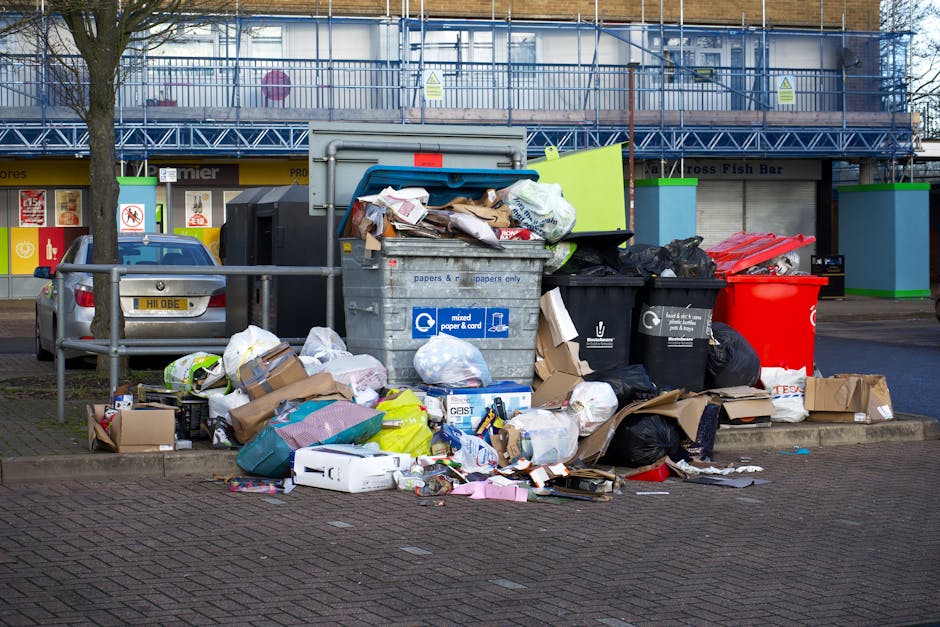
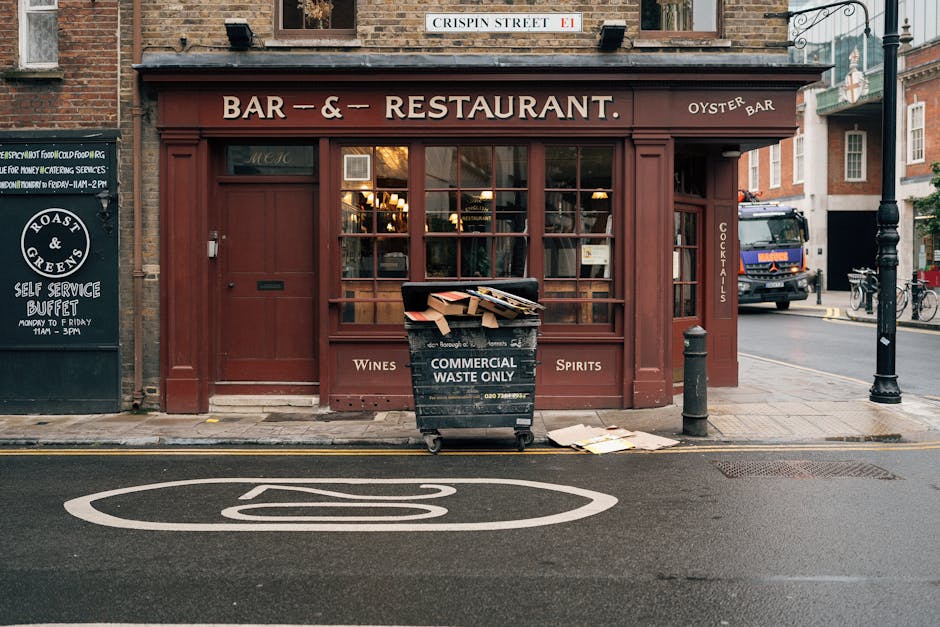
Business rubbish services in Brockley: office & shop clearances
If your office is packed with old desks, broken chairs, boxes of paperwork, or a shop storeroom that has quietly become a dumping ground, you are not alone. Business rubbish services in Brockley: office & shop clearances are designed to take that pressure off, clear the clutter properly, and help you get back to running the place without the mess hanging over you. In practice, that can mean anything from a few bulky items removed after a refit to a full commercial clearance after a closure, relocation, or tenancy change.
Truth be told, business waste is rarely just "rubbish". It can include confidential documents, redundant fixtures, mixed recyclables, display units, shelving, electricals, packaging, and items that need careful handling. A good clearance service keeps the process tidy, safe, and as interruption-free as possible. This guide walks through how it works, what to expect, what to avoid, and how to choose the right approach for your office or shop in Brockley.
Table of Contents
- Why this matters
- How the clearance process works
- Key benefits and practical advantages
- Who needs this service and when it makes sense
- Step-by-step guidance
- Expert tips for better results
- Common mistakes to avoid
- Tools, resources and recommendations
- Law, compliance, standards, and best practice
- Options, methods, and comparison
- Real-world example
- Practical checklist
- Conclusion
- Frequently asked questions
Why Business rubbish services in Brockley: office & shop clearances Matters
A cluttered business space slows people down. You notice it in small ways at first: staff stepping around boxes, customers squeezing past stacked stock, paperwork spreading into areas that should be clear, and that awkward little feeling when a client walks in and the room looks unfinished. It is not just about appearance, either. Excess waste can create trip hazards, block access to fire exits, make cleaning harder, and add stress to a team already juggling enough.
For offices, the problem is often accumulated over months rather than days. Old monitors, printer units, chairs with wobbly legs, filing cabinets no one wants to move, and archived material that should have been sorted ages ago. For shops, the issue tends to be tighter stockrooms, redundant display fittings, packaging waste, damaged goods, and the leftovers from refurbishments or seasonal changes. A structured clearance makes all of that manageable.
There is also a business rhythm to think about. Many Brockley businesses work on thin margins and limited time. Spending a whole day moving waste around by hand, hiring multiple vehicles, or making several trips to a disposal site can be a false economy. A coordinated clearance service can often reduce disruption, avoid repeated lifting, and keep the operation moving. To be fair, that is what most people really want: the space back, with the least fuss possible.
If your waste needs are broader than a one-off clearance, it may help to look at ongoing business waste removal alongside a clearance plan. That gives you a cleaner long-term routine rather than constantly reacting to the next pile-up.
How Business rubbish services in Brockley: office & shop clearances Works
Most commercial clearances follow a fairly simple pattern, even if every premises is different. The job usually begins with an initial discussion about what needs removing, how much there is, and whether anything needs special handling. A small office clearance is obviously very different from a shop refit or a multi-room commercial move, so the more detail you can give upfront, the smoother things tend to go.
On the day, the clearance team normally arrives with the right labour and vehicle capacity to do the job efficiently. They will separate items that can be reused, recycled, or disposed of, and they will remove waste in a way that keeps your site safe and as tidy as possible. Depending on the job, that can include heavy lifting, dismantling, bagging, loading, and sweeping up afterwards. It sounds straightforward, and mostly it is. But the difference is in how organised the process feels.
Office clearances often involve work around desks, meeting rooms, storage areas, server corners, kitchens, and reception spaces. Shop clearances may involve front-of-house display units, tills, shelves, back-stock rooms, fitting rooms, and packaging areas. A well-run service should adapt to the layout rather than forcing the layout to fit the clearance.
Some businesses only need a partial removal, such as surplus furniture disposal or a specific room cleared after a move. Others need a more complete reset. If that sounds familiar, it can be worth exploring office clearance services for a more targeted approach and general waste removal when you need mixed items taken away quickly and responsibly.
The best providers will also talk clearly about restricted items, access issues, parking, loading times, and any business rules on site. That matters more than people think. A five-minute chat can save an hour of awkward back-and-forth later on.
Key Benefits and Practical Advantages
The obvious benefit is getting your space back. But the practical value goes further than that.
- Less downtime: A planned clearance reduces the time staff spend moving items themselves.
- Better presentation: A clear office or shop simply looks more trustworthy to visitors and customers.
- Safer working conditions: Fewer obstacles means fewer trip hazards and cleaner access routes.
- More usable space: You may discover you do not actually need more square footage, just better space management.
- Improved recycling outcomes: Items can be sorted for reuse or recycling rather than being treated as one big mixed load.
- Less stress for staff: People do not love being asked to clear a storeroom on top of their normal jobs. Understandably so.
There is also a quieter advantage that is easy to miss: confidence. When a business feels clear, calm, and organised, decisions get easier. Staff know where things are. Customers do not see the "back-of-house chaos". And managers are not constantly trying to think around a mess that should have been dealt with weeks ago.
If your clearance includes bulky furniture, it can help to separate that work out in advance. Pages like furniture clearance and furniture disposal are useful references when you are dealing with chairs, desks, shelving, counters, and other large items that take up space fast.
Expert summary: A good business clearance is not just a van and a few hands. It is a planned reset of your space, with safety, sorting, and timing handled properly from start to finish.
Who This Is For and When It Makes Sense
This service suits a lot of different business situations. You might need it if you are moving out of a rented unit, upgrading your office, reducing floor space, clearing out after a tenant, or simply dealing with years of accumulated stuff that no one has had time to tackle. Retailers often use clearances after seasonal changes, store remerchandising, stock write-offs, or shopfitting work. Offices tend to need them after IT upgrades, restructures, exits, and downsizing.
It also makes sense when the job is more awkward than the average staff member can reasonably handle. Old filing units, awkwardly placed cabinets, commercial shelving, heavy counters, and mixed waste in tight stairwells can quickly turn into an afternoon of frustration. Or a safety issue. Same thing, really.
Business rubbish services in Brockley are also useful for landlords, managing agents, and facilities teams who need a site restored in a dependable, presentable condition. If you oversee more than one property, having a simple, repeatable way to clear commercial waste can save a surprising amount of admin.
For projects involving building work, refits, or broken fixtures after a fit-out, it may be sensible to pair clearance planning with builders waste clearance. That is often the cleanest route when the job includes timber, packaging, fittings, and general renovation debris.
Step-by-Step Guidance
If you want the process to go smoothly, keep it structured. Here is the simplest way to approach it.
- List what needs removing. Be specific. Old desks, office chairs, retail display units, cardboard, packaging, damaged goods, confidential paperwork, or mixed rubbish each affect the plan.
- Separate items by type where possible. You do not need to sort everything perfectly, but a rough split between furniture, general waste, electrical items, and recyclable materials helps a lot.
- Check access in advance. Note stairs, lifts, narrow corridors, parking constraints, and any loading restrictions. This is the bit people forget most often.
- Confirm what stays and what goes. Sounds obvious, but in a busy office someone always says, "Wait, that one was meant to stay." Best to mark items clearly.
- Choose a sensible time slot. Early mornings, lunch breaks, evenings, or closed hours can reduce disruption for customer-facing spaces.
- Keep sensitive material secure. Paper records, storage drives, and branded documents should be handled separately if they contain confidential information.
- Ask how recycling is handled. A responsible clearance should aim to divert as much as possible away from landfill where practical.
- Do a final walk-through. Check drawers, cupboards, shelves, and corners. Tiny forgotten items have a funny habit of becoming somebody else's headache.
For some businesses, especially those with lots of stored stock or mixed non-office items, a broader waste removal service may fit better than a simple one-off collection. If you are not sure, that is completely normal. The right option usually becomes clear once the items are listed properly.
Expert Tips for Better Results
After enough clearances, a few patterns become obvious.
First, sort by decision, not by size. Items should be grouped by what will happen to them: keep, recycle, remove, confidential, donate if appropriate, or dismantle. That mindset makes the job easier than trying to build piles based only on shape. A huge cabinet and a tiny printer may both need different handling, but for different reasons.
Second, protect the parts of the premises that are staying open. If customers or staff will be onsite, use simple barriers or temporary signposting. Even a half-clear route through a shop can feel a lot calmer if people can see where to walk.
Third, schedule around your quietest period. A Monday morning clearance in a busy shop can be a nightmare. A midweek slot before opening, or after closing, often works better. In offices, Friday afternoons can be ideal if the team is shifting to remote work or already winding down for the week.
Fourth, get the furniture plan right. If you are replacing old items, it may be smarter to remove the outgoing furniture first and bring the new fit-out in after. It sounds small, but the sequence matters more than people expect.
Fifth, think ahead about sustainability. Reuse and recycling are not just nice extras. They reduce waste, keep spaces tidier, and often make the whole job feel more responsible. If environmental handling matters to your business, the information on recycling and sustainability is worth reviewing before you book.
A small but useful habit: take photos before the clearance. Not glamorous, I know. But if you manage property, insurance, or a handover, those images can save a lot of uncertainty later. Slightly boring, very useful.
Common Mistakes to Avoid
People usually do not get commercial clearances wrong in dramatic ways. More often, it is the small oversights that create the hassle.
- Underestimating volume: A room that looks "almost clear" can still hide a lot of bulk once things are moved.
- Leaving sorting until the day: That slows everything down and can create confusion over what is staying.
- Ignoring access details: If a van cannot park close enough, the clearance takes longer and may be more disruptive.
- Forgetting confidential waste: Paper records and storage media need extra care. No shortcuts there.
- Assuming all waste is treated the same: Furniture, electricals, general rubbish, and refurb debris often need different handling.
- Booking too late: If you have a move-out date or inspection deadline, leaving it to the last minute can be painful.
Another common mistake is asking staff to "just clear it when they can." That sounds flexible, but in reality it usually means the job gets nudged from one week to the next. And then somehow the room is still full three months later. Happens all the time.
The fix is simple: name the items, set a date, agree the access plan, and make one person responsible for decisions on the day. That alone can prevent most of the messiness.
Tools, Resources and Recommendations
You do not need fancy tools to prepare for a business clearance, but a few practical items help:
- Marker labels or tape for items that stay.
- Basic inventory notes on paper or a spreadsheet.
- Box cutters and cable ties for safe bundling where appropriate.
- Dust sheets or floor protection if the route passes through finished areas.
- Lockable containers for confidential material before collection.
- Contact details for the building manager in case access needs adjusting on the day.
For businesses with mixed furniture and storage waste, it can help to review related service pages in advance. If there are chairs, tables, cabinets, or reception items mixed in with general clutter, furniture clearance gives a useful reference point. If the clearance is part of a larger move or fresh start, the broader office clearance approach is often the cleaner fit.
If you are dealing with a stockroom, back-of-house area, or customer space that has ended up with mixed debris, a wider service such as business waste removal may be more suitable than trying to force everything into a single category. That is a judgement call, and in real life these jobs often overlap anyway.
Law, Compliance, Standards, or Best Practice
Commercial waste handling in the UK carries responsibilities, even when the job feels ordinary. You do not need to become a legal specialist to manage a clearance properly, but you should understand the basics. In simple terms, businesses are expected to store, transfer, and dispose of waste responsibly, keep waste from becoming a hazard, and use a legitimate carrier for removal.
For offices and shops, the main practical issues tend to be duty of care, safe handling, segregation of different waste types, and keeping the premises free from avoidable hazards. If confidential waste is involved, the handling process should protect personal and business information appropriately. If electrical equipment is included, it should be treated carefully rather than simply dumped with general rubbish.
Best practice also means being honest about what needs removing. If a load includes mixed items, damaged fixtures, or bulky waste, tell the provider upfront. That helps them plan correctly and avoid unsafe lifting or unwanted delays. It also makes pricing clearer, which everybody appreciates.
Health and safety matters too. A clearance in a busy retail unit or office should not create blockages, expose staff to avoidable risk, or damage parts of the premises that are staying in use. Good providers work with your site needs rather than around them. If you want to understand the company's approach to safe working, the health and safety policy and insurance and safety information are sensible places to look before you book.
There is one more point that gets overlooked: if the business is in a shared building or leased unit, check any site rules around access, loading bays, lift use, or waste staging. A five-minute conversation with the building contact can spare a long, annoying detour later.
Options, Methods, and Comparison Table
Different clearance methods suit different situations. If you are deciding how to proceed, this simple comparison can help.
| Method | Best for | Advantages | Limitations |
|---|---|---|---|
| One-off office clearance | Desk moves, closures, relocations, surplus furniture | Fast reset, clear scope, minimal disruption | May not suit ongoing waste generation |
| Shop clearance | Retail refits, stockroom clear-outs, display changes | Works well with bulky fittings and mixed items | Needs good access planning and timing |
| Regular business waste removal | Businesses with repeat waste streams | Ongoing tidiness, predictable routine | Not designed for major one-time clear-outs |
| Combined furniture and waste clearance | Premises with both bulky items and mixed rubbish | Efficient for fuller jobs | Requires clearer item listing at the start |
In many Brockley jobs, the answer is not one method forever. It is often a clearance first, then a simple ongoing waste process after that. A shop that has just been reset, for example, might need a one-off clearance now and a steadier collection pattern later. That is normal. It is actually the sensible way to do it.
Case Study or Real-World Example
Picture a small shop near the centre of Brockley that is preparing for a refit. The back room has old shelving, spare display fittings, broken packaging, a few damaged stock items, and two heavy counters that nobody wants to argue with before breakfast. Staff have been stepping around it for weeks, and the room has started to feel smaller than it really is.
The practical fix is not heroic. It is methodical. The manager marks what stays, separates stock to keep, flags the damaged items, checks access to the rear loading point, and books a clearance window before opening. On the day, the team removes the bulky fixtures first, then the mixed rubbish, then clears the smaller leftovers. By mid-afternoon the back room looks like a room again. Properly looks like one, not a storage accident.
What changed? Not just the amount of waste. The space became easier to work in, the refit team had a cleaner handover, and the staff stopped using a cluttered room as a catch-all. That is often the real value of clearances: they restore usable space and reset habits, not just appearance.
A similar pattern happens in offices. A firm prepares for new furniture, clears old desks and chairs, gets rid of mixed debris, and finally has room to think. It sounds small. But when you are working in it every day, small becomes huge pretty quickly.
Practical Checklist
Use this quick checklist before booking your clearance.
- List all items to be removed.
- Mark anything that must stay.
- Identify furniture, electricals, paper waste, and mixed rubbish.
- Check stairs, lifts, parking, and loading access.
- Choose a time that limits disruption to staff or customers.
- Separate confidential material in advance.
- Confirm whether any items need special handling.
- Review recycling and sustainability expectations.
- Speak to the building manager if access or timing could affect others.
- Do a final sweep of cupboards, shelves, and storage corners.
Small but useful reminder: if you are removing more than just office waste, check related services before the day. It is often easier to plan one well-organised clearance than to discover halfway through that three separate removals would have made more sense.
Get a free quote today and see how much you can save.
Conclusion
Business rubbish services in Brockley are really about restoring order in a way that feels calm, safe, and practical. Whether you are clearing an office, a shop, or a mixed commercial space, the value comes from good planning, sensible timing, and a team that understands how to handle bulky items, general rubbish, and the awkward bits in between.
If you take one thing from this guide, let it be this: the best clearance is the one that makes the rest of your week easier, not harder. A tidy workspace changes the atmosphere more than people expect. You can hear it in the room, almost. Less rustle, less noise, less clutter in the mind.
When you are ready to talk through the job, it helps to start with clear details and a realistic plan. The right support can turn a messy task into a straightforward one, and that relief is worth a lot.
Frequently Asked Questions
What counts as business rubbish in an office or shop clearance?
Business rubbish can include desks, chairs, shelving, packaging, damaged stock, office paper waste, broken fixtures, electrical items, and mixed general rubbish. The exact mix depends on the premises, but a good clearance service should help you sort through it sensibly.
How long does an office or shop clearance usually take?
It depends on the volume, access, and type of items involved. A small office may be cleared quite quickly, while a larger shop or multi-room unit can take longer. The most accurate estimate comes from describing the items and the layout clearly upfront.
Can I keep the business open during the clearance?
Often, yes. Many clearances can be arranged outside peak trading hours or in stages so the business can keep running. The key is planning access and keeping customer and staff routes clear.
What should I do with confidential paperwork?
Confidential paperwork should be handled separately and securely. Do not leave it mixed in with general rubbish. It is better to set it aside before the clearance so it can be managed in the right way.
Do I need to sort everything before the team arrives?
No, not perfectly. But a rough sort helps a lot. If you can separate furniture, general waste, electrical items, and anything confidential, the job usually runs more smoothly and feels less chaotic on the day.
What if I only need a few bulky items removed?
That is still a useful clearance job. You do not need a full office or shop empty-out to make it worthwhile. A few large items can create a surprising amount of space once they are gone.
Is recycling part of a business clearance?
It should be, wherever practical. Many items from offices and shops can be separated for reuse or recycling rather than going straight into mixed waste. If sustainability matters to your business, ask how that is handled.
How do I know whether I need office clearance or general waste removal?
If the job is mainly desks, chairs, cabinets, and workspace items, office clearance is usually the better fit. If the load is mixed, less predictable, or includes different kinds of commercial waste, broader business waste removal may make more sense.
What access details should I prepare before booking?
Note parking, stairs, lifts, loading access, opening hours, security arrangements, and any building restrictions. These small details can change the whole shape of the job, so it is worth getting them right early.
Are there items that cannot be taken in a standard clearance?
Some items may need special handling depending on their type, condition, or contents. It is best to ask about anything unusual in advance rather than assuming it can be treated as ordinary rubbish.
Why does a well-planned clearance matter so much for a shop?
Because a shop has to work for both staff and customers. Clutter affects presentation, movement, safety, and stock handling. A good clearance gives you back usable space and helps the business feel organised again.
What is the best first step if my office is overloaded?
Start with a simple list of what needs to go, what must stay, and any items that need special care. Once that is done, it becomes much easier to arrange the right kind of support and avoid last-minute confusion.
A clearer space really can change the mood of a workplace. One good clearance, and the whole room breathes a little easier.