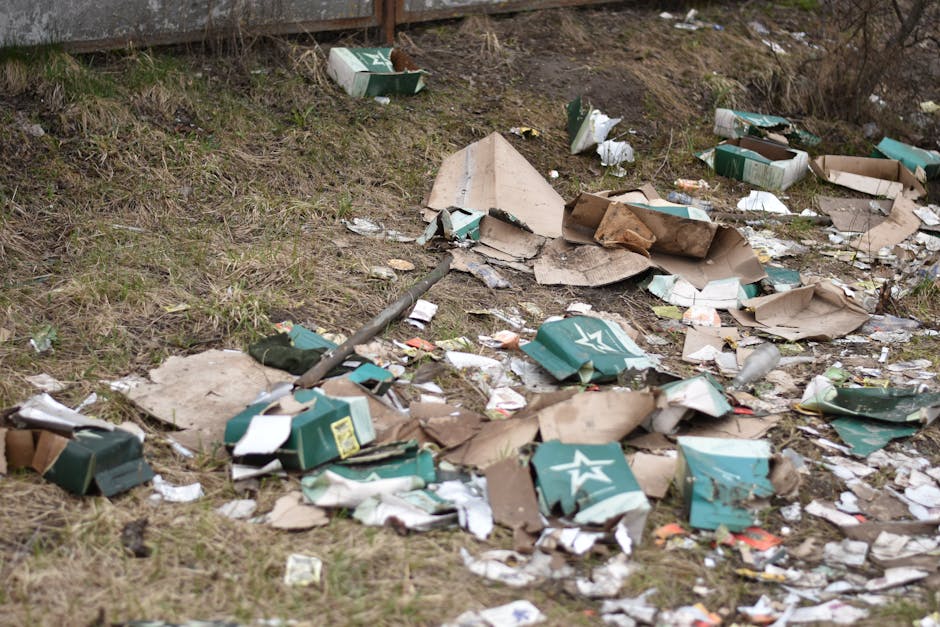
Hilly Fields Rubbish Rules: What Locals Must Know
Rubbish might not be the most exciting part of living near Hilly Fields, but getting it wrong can quickly turn into a hassle: missed collections, fly-tipping concerns, blocked pavements, or the awkward discovery that your "just leave it out" approach is not actually allowed. If you live locally, manage a property, run a small business nearby, or are clearing out a home, understanding Hilly Fields rubbish rules is one of those practical essentials that saves time, money, and stress.
This guide explains what locals must know in plain English. You will find how rubbish removal typically works, what to do with bulky items, where people go wrong, and how to choose the most sensible disposal method for your situation. We will also touch on compliance, sustainability, and the kinds of clearance services that can help when a job is too large for the bin lids. If you need broader support beyond a one-off collection, services like waste removal or a tailored home clearance can be a practical next step.
One thing is worth saying up front: local rubbish rules are less about bureaucracy and more about keeping streets safe, tidy, and workable for everyone. That sounds dry, perhaps, but in a busy neighbourhood, it matters a lot.
Table of Contents
- Why Hilly Fields Rubbish Rules: What Locals Must Know Matters
- How Hilly Fields Rubbish Rules: What Locals Must Know Works
- Key Benefits and Practical Advantages
- Who This Is For and When It Makes Sense
- Step-by-Step Guidance
- Expert Tips for Better Results
- Common Mistakes to Avoid
- Tools, Resources and Recommendations
- Law, Compliance, Standards, or Best Practice
- Options, Methods, or Comparison Table
- Case Study or Real-World Example
- Practical Checklist
- Conclusion
- Frequently Asked Questions
Why Hilly Fields Rubbish Rules: What Locals Must Know Matters
Local rubbish rules matter because waste affects more than your own front path. It affects neighbours, pedestrians, collection crews, wildlife, and the overall feel of the area. In a place like Hilly Fields, where people walk dogs, push buggies, and move between residential streets and green spaces, waste left out incorrectly becomes visible very quickly.
Most problems start small. A bag is left out too early. A sofa is placed on the pavement "for a minute." A builder's skip overflows after a weekend project. Then the issue spreads: scavenging, windblown litter, blocked access, complaints, and sometimes a removal charge or enforcement action. The point of knowing the rules is not to be overly cautious. It is to avoid preventable mess and make disposal simpler.
There is also a financial angle. Correct sorting and sensible planning can reduce unnecessary collections, lower disposal costs, and prevent repeat trips. For bigger household jobs, comparing a local clearance option with a DIY approach often makes the difference between a manageable afternoon and a very long weekend. If you are trying to clear an entire property or a heavily cluttered room, a service such as house clearance or flat clearance may be the calmer route.
Expert summary: The best rubbish strategy is usually the one that matches the size of the waste, the type of material, and the timing of collection. Get those three right and most problems disappear.
How Hilly Fields Rubbish Rules: What Locals Must Know Works
At a practical level, rubbish rules in the Hilly Fields area tend to follow a simple logic: keep waste contained, separate it sensibly, place it out at the correct time, and use the right channel for items that cannot go in ordinary bins. The exact collection schedule and local arrangements may vary depending on the property type and the relevant local authority guidance, so always check the most current information for your street or building.
Typically, households are expected to use their regular bins for everyday waste and recycling, then arrange separate handling for items like furniture, garden cuttings, electricals, building waste, or large clear-outs. That is where understanding the categories becomes useful. If you are clearing a garage or loft, for example, you may need a different solution than you would for a few black bags after a declutter.
A useful way to think about it is this:
- Household rubbish belongs in the regular collection system.
- Recycling should be sorted cleanly and kept uncontaminated where possible.
- Bulky items often need special collection or private removal.
- Trade or renovation waste should never be treated like standard household rubbish.
- Garden waste may have its own disposal route or collection rules.
If you are handling waste from a renovation or extension, the expectations are even stricter. Materials such as rubble, plasterboard, timber, and packaging are usually best managed through a dedicated builders waste clearance service. That keeps the site safer and reduces the risk of leaving the wrong material in a public place.
Key Benefits and Practical Advantages
Following rubbish rules properly gives you more than just peace of mind. It changes how smoothly your property runs day to day.
1. Less clutter outside the home
When rubbish is removed on time and stored correctly, entrances, steps, pavements, and shared spaces stay clear. That helps with access and keeps the property looking cared for.
2. Lower chance of complaints
Neighbours are much less likely to raise concerns if bins are secure, collections are timed well, and bulky items are not abandoned outdoors. In shared buildings, this can prevent an astonishing amount of friction. Small thing, big mood.
3. Better recycling outcomes
When waste is separated correctly, recyclable materials are more likely to stay clean and useful. That matters for both environmental reasons and practical disposal efficiency.
4. Fewer collection problems
Overflowing containers, contaminated recycling, or mis-timed placements can lead to missed pickup or refusal. Planning ahead avoids that kind of frustration.
5. Safer disposal of awkward items
Broken furniture, old appliances, heavy bags, and sharp materials are easier to manage when a proper clearance method is used. A sensible approach reduces lifting injuries and damage to walls, stairs, or vehicles.
For homes with mixed waste types, combining services can be more effective than trying to make every item fit one route. For example, a property declutter may involve furniture clearance, furniture disposal, and a final sweep of general waste. That is often cleaner and quicker than several small DIY runs.
Who This Is For and When It Makes Sense
These rubbish rules are relevant to more people than you might think. You do not need to be doing a full house clearance to benefit from them.
Homeowners and tenants
If you are dealing with everyday bin use, a move, a spring clean, or a pile of unwanted items in a hallway or garden, basic rules matter. Tenants in particular should be careful about what is left behind at the end of a tenancy.
Landlords and property managers
End-of-tenancy waste, abandoned furniture, and leftover belongings can become costly if not handled quickly. In those cases, a service such as loft clearance or garage clearance can help restore the property to a clean, relettable state.
Businesses and home offices
Waste from desks, packaging, paperwork, and old equipment needs a structured route, especially if it is generated in volume. For commercial spaces, business waste removal or office clearance is usually more appropriate than relying on standard domestic collections.
DIY renovators and gardeners
If you are refurbishing a room, clearing a garden border, or stripping out a shed, the waste stream changes quickly. Soil, green waste, timber, and old fixtures each need different handling. A dedicated garden clearance service can save a lot of back-and-forth.
People dealing with time pressure
Sometimes the issue is simply timing. Maybe a move is tomorrow. Maybe visitors are arriving. Maybe the landlord wants the place empty by the weekend. In those situations, a structured clearance plan is not a luxury; it is the shortest path to getting the job done properly.
Step-by-Step Guidance
If you are unsure how to approach waste removal in Hilly Fields, use this sequence. It keeps the process controlled and prevents the common "pile it up and hope" method, which is rarely ideal.
- Identify the waste type. Separate household rubbish, recycling, bulky items, garden waste, and anything that might count as trade or construction waste.
- Check what your regular collection accepts. This helps you avoid putting the wrong items out with general waste.
- Measure the volume. A few bags are not the same as a roomful of furniture. The volume determines whether standard collection is enough.
- Look for hazards. Sharp edges, broken glass, damp waste, and heavy items need extra care.
- Choose the right route. Use regular bins where suitable, special collection for bulky items, or professional removal for larger jobs.
- Prepare the waste properly. Keep items accessible, bundle where sensible, and avoid mixing materials unnecessarily.
- Schedule collection at the right time. Do not place rubbish out too early if local guidance says otherwise.
- Confirm disposal is responsible. Ask how items will be reused, recycled, or taken to the correct facility.
For bigger household clear-outs, a good practical rule is to sort before lifting. It saves time and avoids moving the same item twice, which is one of those mildly annoying lessons people learn the hard way.
Expert Tips for Better Results
Most rubbish problems are not caused by bad intentions. They are caused by rushed decisions. A few simple habits make the whole process smoother.
Use categories, not piles
Do not create one giant "to deal with later" heap. Create separate zones for keep, donate, recycle, dispose, and special handling. Even if the room looks messier for a short time, the job becomes easier to finish.
Handle bulky items early
Sofas, wardrobes, mattresses, and old cabinets take up the most space and usually dictate the logistics. Move them first in your planning, not last.
Keep an eye on access
Narrow hallways, stairwells, shared entrances, and parked cars can make removal harder than the waste itself. Check the route before lifting anything heavy.
Think about reuse before disposal
Some items still have life left in them. If they are clean and usable, reuse or donation may be a better answer than disposal. That said, don't keep holding onto a broken chair because "it might come in handy." That sentence has trapped many households.
Choose the right service for the job
A single bag drop-off, a loft full of mixed items, and a commercial clearance all call for different solutions. Matching the service to the job usually saves money and avoids wasted effort. If you want help understanding the options, the company's pricing and quotes information is a sensible starting point.
Ask about sustainability
A good clearance provider should be able to explain how they separate, reuse, and recycle waste responsibly. You can also look at their recycling and sustainability approach to understand how items are handled after collection.
Common Mistakes to Avoid
Even careful people make avoidable rubbish mistakes. The good news is that most of them are easy to prevent once you know what to watch for.
- Leaving waste out too early. This can obstruct pavements and attract complaints.
- Mixing waste types. Food waste, recycling, rubble, and furniture should not all be treated the same way.
- Assuming bulky items are someone else's problem. Abandoning furniture or appliances is not a shortcut. It creates a bigger issue.
- Underestimating the volume. A clear-out that looks small on paper often fills a van faster than expected.
- Ignoring shared-space rules. In flats and converted buildings, communal areas usually have their own expectations.
- Using the wrong disposal route for trade waste. Renovation waste is not the same as household rubbish.
- Forgetting paperwork or permission. If you are arranging clearance for a managed property or business, make sure the decision-maker is clear.
One of the most common frustrations is thinking the job is nearly finished, then discovering there is a second pile in the loft, shed, or back room. That is why a full walkthrough before removal is so useful.
Tools, Resources and Recommendations
You do not need specialist equipment for every rubbish job, but a few practical tools make a big difference.
- Sturdy gloves for handling sharp or dusty items
- Heavy-duty bags or boxes for sorting and transport
- Labels or marker pens to mark recycling, donation, and disposal piles
- Tape measure for bulky furniture or tight access routes
- Cleaning supplies for finishing a clearance properly
- A vehicle or professional collection plan for larger volumes
For many locals, the best resource is not a gadget but a well-chosen service. If the job is a full property clear-out, house clearance is often more efficient than trying to make repeated trips. If it is a single room or a small set of items, a more targeted option may be enough. And if you are dealing with furniture only, furniture disposal can provide a clean, straightforward route.
It is also worth keeping the company's main service pages handy so you can match the waste to the right clearance method. That includes garage clearance, home clearance, and general waste removal for mixed or awkward loads.
Law, Compliance, Standards, or Best Practice
Waste handling in the UK comes with legal and practical expectations, even when you are only dealing with household rubbish. While the details can depend on the type of waste and local arrangements, a few principles are consistently important.
Duty of care matters. In plain English, that means you should take reasonable steps to ensure waste is passed to a legitimate carrier and disposed of properly. If waste is fly-tipped after leaving your premises, questions can follow about where it came from and who handled it. That is one reason to use reputable clearance providers and keep basic records where appropriate.
Separation of waste is also a best-practice expectation. Mixing items that could have been recycled, reused, or disposed of separately is inefficient and can create contamination issues.
Safety standards matter when lifting, loading, or clearing awkward items. Heavy furniture, broken materials, and sharp waste can cause injury if handled casually. A provider should be able to describe its health and safety policy and how it manages risk on site.
Insurance and safe working practices are worth checking too, especially for larger jobs or properties with limited access. Reading a provider's insurance and safety information is a sensible move before booking.
For privacy, payments, and booking terms, it is also wise to review the provider's standard pages, including terms and conditions and payment and security. These are not glamorous pages, admittedly, but they are useful. Boring does not mean unimportant.
Options, Methods, or Comparison Table
Choosing the right disposal method depends on the waste type, urgency, and how much effort you want to spend. Here is a simple comparison.
| Method | Best for | Advantages | Limitations |
|---|---|---|---|
| Regular household bins | Daily rubbish and basic recycling | Convenient, familiar, low effort | Not suitable for bulky or special waste |
| Local collection or council route | Standard household items where accepted | Structured, often cost-effective | May have timing, size, or item restrictions |
| DIY transport to a facility | Smaller loads and flexible schedules | Direct control over disposal | Requires vehicle, time, and unloading effort |
| Professional clearance service | Bulky, mixed, or time-sensitive waste | Fast, practical, less physical strain | Usually higher cost than self-managed disposal |
For mixed household clear-outs, professional removal often makes sense because it combines labour, sorting, loading, and disposal into one process. If you are clearing a room with furniture, bags, and general clutter, that convenience can be worth a lot. In some situations, especially in flats or upstairs properties, it can be the only truly workable option.
Case Study or Real-World Example
Consider a typical local scenario. A resident in Hilly Fields is preparing to move out of a small flat. The flat contains a wardrobe, two chairs, several bags of mixed waste, a broken lamp, and a few items from a kitchen cupboard that no longer fit anywhere else. At first glance, it seems manageable. Then reality arrives: the lift is small, the stairwell is tight, and the furniture will not fit neatly into ordinary collections.
The resident sorts the items into three groups: reusable items, disposal items, and things needing special handling. The wardrobe and chairs are booked through a furniture removal route. The bags of general waste are reduced by donating and recycling what can be saved. The leftover mixed items are collected as part of a broader flat clearance. The result is less stress, no abandoned items in the communal hall, and a cleaner handover to the landlord.
What made the difference was not luck. It was sequencing. Once the waste was categorised properly, the rest became straightforward.
Practical Checklist
Use this checklist before you put anything out or book a collection.
- Have I identified the waste type correctly?
- Is anything reusable, donatable, or recyclable?
- Do I know the collection date or disposal route?
- Have I checked access routes, stairs, gates, and parking?
- Is any of the waste sharp, heavy, damp, or hazardous?
- Do I need a specialist service for furniture, garden waste, or construction debris?
- Have I avoided placing rubbish out too early?
- Have I confirmed the cost, timing, and terms of the service?
- Is the area left tidy after removal?
- Do I know who to contact if the situation changes?
If the answer to several of those questions is "not yet," pause and sort those details first. That small delay usually saves a bigger headache later.
Conclusion
Hilly Fields rubbish rules are really about simple habits done well: sort the waste, use the right route, respect timing, and avoid turning a small disposal task into a street-level problem. If you live locally, own a property nearby, or manage a clear-out project, those habits will keep things smoother and cleaner.
For everyday rubbish, a basic system is enough. For larger jobs, property clearances, bulky furniture, or renovation debris, the smarter move is often to choose a dedicated service that matches the waste type and the scale of the task. That saves time, protects access, and makes compliance much easier to maintain.
When in doubt, do the practical thing: assess the waste properly, choose the right method, and keep the process tidy from start to finish. It is not glamorous work, but it is satisfying when done right.
Get a free quote today and see how much you can save.
Frequently Asked Questions
What do Hilly Fields rubbish rules usually cover?
They usually cover how household waste, recycling, bulky items, and special waste should be stored, separated, and collected. The exact arrangements depend on the local authority and property type.
Can I leave bulky rubbish outside my home for pickup?
Only if the collection route allows it and you have followed the relevant timing and placement guidance. Leaving bulky items out too early or without permission can cause complaints or removal issues.
What should I do with old furniture?
If it is reusable, consider donation or resale. If it is damaged or beyond repair, use a proper furniture disposal or furniture clearance service so it is removed safely and responsibly.
Is garden waste treated differently from household rubbish?
Often, yes. Garden waste may have separate collection rules or be better handled through a dedicated garden clearance service, especially if you have branches, soil, or a large volume of cuttings.
Can I put building waste in the general bin?
Usually not. Builders' waste such as rubble, plasterboard, timber, and renovation offcuts should be handled separately. A builders waste clearance service is often the better option.
How do I know whether I need a clearance service?
If the waste is bulky, heavy, mixed, urgent, or too large for your regular collection, a professional clearance service is usually the practical choice. It is especially useful for lofts, garages, flats, and full-house declutters.
What happens if rubbish is left in a shared hallway or pavement?
It can block access, create safety risks, and lead to complaints. In shared buildings, communal areas generally need to stay clear unless there is a specific collection arrangement in place.
Are professional waste removals worth it for small jobs?
Sometimes. If the items are awkward, heavy, or difficult to transport, the convenience can outweigh the cost. For very small loads, self-managed disposal may be enough.
What should I check before booking a rubbish removal company?
Check what waste they accept, how they dispose of it, whether they have appropriate insurance and safety practices, and whether their pricing is clear. It also helps to review the company's terms and payment information.
How can I make rubbish removal more environmentally friendly?
Sort items carefully, reuse what you can, recycle where possible, and choose a provider that explains its recycling and sustainability practices clearly. Good waste handling is usually a mix of planning and common sense.
Do tenants or landlords deal with leftover rubbish at move-out?
That depends on the tenancy agreement and the situation, but in practical terms the property should be left clear and tidy. If there is a lot left behind, a house clearance or flat clearance may be needed to finish the job properly.
Where can I get help if I am not sure what to do next?
Start by sorting the waste type and volume. If it still feels unclear, speak to a reputable local clearance provider through their contact page and explain the items involved. A quick conversation can often save a lot of guesswork.
For direct help, you can also use the company's contact page to discuss the job, ask questions, and arrange the most suitable clearance option.