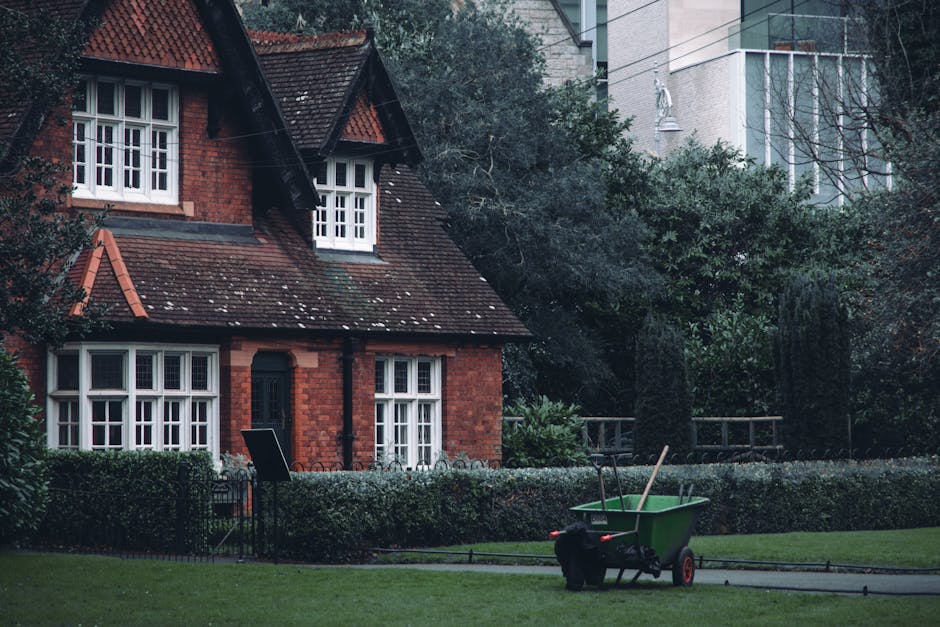
Hilly Fields garden rubbish removal tips for Brockley homes

If your garden has started to look more like a holding area for cut branches, old pots, soil bags, and a very determined pile of hedge trimmings, you are not alone. Hilly Fields garden rubbish removal tips for Brockley homes are really about making that clear-up feel manageable, safe, and properly finished rather than half-done. In a place like Brockley, where many homes have compact gardens, shared access, and not much spare space, garden waste can build up fast after one busy weekend. A proper plan saves time, keeps paths clear, and stops the whole job becoming a back-breaking shuffle from one corner to another.
Truth be told, the hardest part is often not the cutting or pruning. It is the aftermath. What do you do with the green waste, the broken fence panel, the old planter, the rusty barrow that has seen better days? This guide breaks down the practical side of getting it all moved without fuss, with local context in mind and a few helpful decisions along the way.
Why Hilly Fields garden rubbish removal tips for Brockley homes Matters
Garden waste is one of those jobs that looks small right up until you start moving it. A few clipped shrubs and a couple of bags of turf can turn into a full car boot, then another, then a mildly annoying trail of debris across the patio. For Brockley homes near Hilly Fields, that can be especially awkward because outdoor space is often limited and access to the rear garden may involve narrow side passages, shared paths, or stairs.
There is also the simple matter of keeping a home tidy and usable. A cluttered garden makes it harder to enjoy the space, harder to mow or plant, and harder to spot anything that needs repair. Wet leaves, thorny cuttings and broken branches can be slippery too. Nobody wants to do a quick tidy-up and end up with a twisted ankle before tea.
It matters for environmental reasons as well. Green waste, timber, soil, mixed rubbish and reusable items should not all be treated the same way. If you separate them properly, disposal is usually smoother and recycling becomes more realistic. That is especially useful if you are trying to keep your clear-out responsible rather than just fast.
Expert summary: The best garden rubbish removal plan is rarely the most dramatic one. It is the one that sorts waste early, protects access routes, and matches the disposal method to the material. Calm, tidy, finished. That is the goal.
For homes with bigger outdoor clean-ups, this often overlaps with wider property clearance needs too. If you are already clearing a shed, loft or garage, it can make sense to plan the garden at the same time rather than treating each job separately. A coordinated approach usually saves effort and avoids duplicate trips. If you are dealing with multiple spaces, home clearance and related clearance services can help bring the whole job together.
How Hilly Fields garden rubbish removal tips for Brockley homes Works
At a practical level, garden rubbish removal is simply the process of identifying what needs to go, separating it sensibly, and moving it out of the property in a way that is safe and compliant. In Brockley, the process often starts with a quick visual sweep of the garden and ends with collection, loading, and disposal or recycling.
The exact method depends on the size and type of waste. Light green waste from pruning is very different from broken paving slabs or a dismantled fence panel. A few black sacks of hedge trimmings can be bagged and lifted by hand. A pile of wet soil or heavy planters? That is another matter entirely, and your back will let you know about it within about five minutes.
In many cases, the most efficient approach is:
- sort waste into clear categories
- bag or bundle lighter material first
- place heavy items close to the exit route
- keep paths clear for carrying
- load reusable or recyclable material separately where possible
For some households, a wider rubbish removal service may be the simplest option, especially if the job includes mixed waste rather than just clean green cuttings. A service like waste removal is useful when the pile includes timber, old garden furniture, general rubbish, and awkward bits that do not fit neatly into one category.
To be fair, not every garden clear-up is the same. A small courtyard with a few bags of leaves is one thing. A long-overdue overhaul after months of growth is something else entirely. The right method depends on volume, weight, access and time. That is where planning beats brute force every single time.
Key Benefits and Practical Advantages
There are a few clear benefits to handling garden rubbish properly rather than leaving it to pile up. Some are obvious. Others only become obvious once you have lived through the mess.
1. You get your outdoor space back. A clean garden feels bigger. Even a modest yard or patio seems more usable when the bags, branches, and broken bits are gone.
2. You reduce trip hazards and clutter. Uneven piles of waste, loose twigs, and hidden sharp edges are all the sorts of thing that cause annoying little accidents. Nothing glamorous there.
3. You make future maintenance easier. Lawn care, planting, pressure washing and repairs all become easier when you are not working around a mountain of leftover cuttings.
4. You improve sorting and disposal. Separate green waste, inert waste and bulky items, and you have a much better chance of disposing of everything efficiently.
5. You save time later. Garden rubbish has a funny habit of becoming more difficult the longer it sits. Wet leaves mat together, bags split, and mixed waste gets messier. Deal with it promptly and you avoid that slow creep.
A useful side benefit, especially in dense parts of Brockley, is neighbour harmony. Nobody enjoys shared pathways blocked by overfilled sacks or a skip that sits on the street longer than expected. Quick, tidy removal tends to keep everyone happier, which is never a bad thing.
If you are comparing broader clearance options, a more specialised route such as garden clearance may suit bigger jobs where the waste is all from outdoor work and needs a more coordinated pickup.
Who This Is For and When It Makes Sense
This kind of removal is a good fit for a wide range of Brockley households. You do not need to be dealing with a full jungle situation to make it worthwhile.
- Homeowners refreshing an overgrown garden after winter
- Landlords preparing a property between tenants
- Families clearing out after landscaping work
- People replacing fences, sheds, or old outdoor furniture
- Flat owners with a small shared yard or courtyard
- Anyone who has too much waste for regular bins, but not enough for a major building project
It also makes sense when you are short on time. Let's face it, weekends disappear quickly. If you have pruned, mowed, and power-washed on a Saturday morning, the last thing you want is a second job involving dozens of trips to a vehicle or a recycling site. Sometimes the smart move is simply to clear the pile properly and move on.
Garden rubbish removal can also be the right call if the waste is mixed. For example, a corner of old compost sacks, some broken trellis, a cracked plastic table, and a few builders' offcuts from a repair job rarely suits one easy DIY solution. In those cases, choosing a wider clearance approach may be the least stressful path.
And if the issue is not just garden waste but a general buildup around the home, looking at house clearance may make more sense than tackling each room or outdoor area separately.
Step-by-Step Guidance
Here is a simple, practical way to handle the job without overcomplicating it. Nothing fancy. Just a decent sequence that works.
- Walk the garden first. Do a full sweep and identify every type of waste. Separate green waste, reusable items, broken materials and anything sharp or heavy.
- Set up your staging area. Choose a spot near the exit that will not block the garden path. This keeps the carrying route clean and reduces backtracking.
- Sort before lifting. Put branches together, leaves and grass together, and non-organic waste together. A little order now saves a lot of confusion later.
- Bag or bundle light material. Use strong bags for leaves and small clippings. Tie branches into manageable bundles. Keep them compact, not overstuffed.
- Deal with heavy waste carefully. Soil, stones, old planters and timber can be deceptively heavy. Lift with help if needed. If it feels awkward, it probably is.
- Protect floors and walls on the route out. If you are carrying waste through the house or a narrow hallway, lay down temporary protection and remove sharp edges.
- Load by weight and shape. Put heavier items down first and fill gaps with lighter material. That makes transport safer and more stable.
- Check for salvageable items. Before disposal, ask whether any pots, tools, timber, or planters can be reused, donated, or repurposed.
- Do a final sweep. Look for nails, screws, splinters, and fine debris. This last pass is often the one that makes the space feel properly finished.
A small, real-world detail here: if you are working early in the morning, say around eight o'clock on a spring Saturday, the damp air can make bags heavier than expected and surfaces more slippery. It is a tiny thing, but it changes how the job feels. Slow down a touch and your shoulders will thank you.
Expert Tips for Better Results
Most garden clear-outs go more smoothly when a few simple habits are followed. These are the sorts of details people often skip, then wish they had not.
Keep waste streams separate. Green waste, general rubbish and hard materials should not be mixed unless there is no practical choice. Separation improves disposal options and reduces wasted effort.
Use smaller loads for tight access. Brockley homes often have narrow side paths, awkward gates or steps. Smaller, more frequent loads can be safer than trying to muscle everything through in one go.
Break down bulky garden items early. A dismantled bench, broken shed panel or flattened planter takes up less space and is easier to move. The job always feels easier after the first breakdown, oddly enough.
Watch for hidden hazards. Old compost bags can conceal nails, broken glass, or sharp wires. Gloves help, but they are not magic. Have a proper look before you reach in.
Think about weather. Wet green waste weighs more. Wind makes loose leaves and lightweight plastic a nuisance. A dry day is usually your friend here.
Plan the route before moving anything. Open gates, clear steps, and remove anything that could snag. An extra minute planning the route can save ten minutes of awkward shuffling.
If your garden project has turned into a broader clear-out, the same logic applies to indoor spaces too. The right service for a garage full of mixed items may be different from one for tidy green waste. A garage clearance approach can be especially useful where storage has quietly accumulated over years. Happens all the time, honestly.
One more thing: if you are unsure whether an item is recyclable or not, pause and check its condition rather than guessing. A clean, reusable item is often worth separating out. A contaminated one is usually just more hassle later. Not every object deserves a second life, but a surprising number do.
Common Mistakes to Avoid
Garden rubbish jobs tend to go wrong in predictable ways. The good news is that most of them are easy to prevent.
- Mixing everything together. Once green waste, timber, soil and general rubbish are all in one heap, sorting becomes slower and more expensive.
- Overfilling bags. Heavy bags split. Then you are picking bits up again, which is somehow even more annoying than it sounds.
- Ignoring access issues. Narrow doors, steep steps, and shared paths can turn a simple move into a clumsy one if you do not plan ahead.
- Forgetting sharp or hazardous pieces. Rusty metal, broken glass, and old tools need careful handling.
- Leaving piles out for too long. Wet weather and time make waste heavier, smellier, and harder to manage.
- Assuming every service handles every material. Some methods work well for green waste and less well for mixed bulky items.
There is also a common temptation to say, "I will just deal with it next weekend." Fair enough, we have all done it. But if you keep pushing the job back, the pile usually gets more awkward and less pleasant. A little action now is nearly always easier than a heroic clear-up later.
Another mistake is underestimating the total volume. A few cuttings on the lawn can look harmless until they are bagged and stacked. Suddenly the pile reaches knee height and you are making fresh calculations. Not ideal.
Tools, Resources and Recommendations
You do not need a van full of specialist kit, but the right basic tools make a big difference. A sensible garden clear-up kit usually includes:
- sturdy work gloves
- heavy-duty waste bags
- a rake or garden fork
- pruning shears or loppers
- a broom and dustpan for final sweep-up
- duct tape or twine for bundling branches
- a wheelbarrow or garden trolley if access allows
- protective footwear with decent grip
For larger jobs, a tarp can be surprisingly useful. Spread it near the work area and you can collect debris in one place before moving it. Simple, but effective. You will notice the difference quickly if the garden is damp or uneven.
In terms of service choice, look at the type of waste first. If the load is mostly cuttings and lightweight organic waste, a garden-specific solution is often enough. If you are also dealing with old furniture, fencing, or household clutter, a broader service may be better value. For example, if outdoor waste is part of a wider household refresh, furniture clearance or other mixed-item clearance support may fit the job better than a narrow one-off approach.
If you are comparing providers, ask practical questions rather than vague ones. How is the waste sorted? What happens to recyclable materials? Can they handle tight access? Do they deal with both green and mixed waste? That sort of thing gives you a much better picture than generic promises.
Law, Compliance, Standards, or Best Practice
For garden waste, the key point is simple: disposal should be responsible, traceable where relevant, and handled through appropriate channels. In the UK, households are expected to manage waste carefully and avoid fly-tipping or unsafe dumping. You do not need to become a waste expert overnight, but you do need to avoid handing your rubbish to someone who cannot dispose of it properly.
Best practice usually means checking that any waste carrier or clearance service is operating lawfully and that materials are going to approved facilities or recycling streams where possible. If a provider is vague about where waste goes, that is not a great sign. Frankly, it is worth asking one more question.
Some items need extra care. Soil contaminated with chemicals, treated timber, sharp metal, and electrical items from the garden all require sensible handling. If you have lighting, pumps, or outdoor electrics, treat them separately from ordinary green waste. That is just good practice, and in some cases it is the only sensible option.
Safety matters too. When moving heavy or awkward items, use proper lifting technique and avoid rushing. For larger clear-outs, it is sensible to work with a provider that has clear safety procedures and insurance in place. If you want to understand how a business approaches these issues, their health and safety policy and insurance and safety information are useful signals.
Best practice also includes respect for neighbours and shared spaces. Keep access routes tidy, avoid blocking pavements, and do not leave waste exposed longer than necessary. Small courtesies matter. They really do.
Options, Methods, or Comparison Table
There is no single right method for every Brockley garden. The best option depends on waste type, access, time, and how much effort you want to put in yourself. Here is a clear comparison to help you decide.
| Method | Best for | Pros | Limitations |
|---|---|---|---|
| DIY bagging and binning | Small amounts of light green waste | Low cost, flexible, simple | Time-consuming, limited capacity |
| Self-haul in a car or van | Moderate loads and easy access | Direct control over disposal | Labour-heavy, space limited, multiple trips |
| Mixed waste clearance | Gardens with branches, soil, old items and bulky debris | Efficient, less lifting for you, handles variety | Usually more expensive than DIY |
| Garden-specific clearance | Mostly outdoor organic waste | Good fit for pruning and seasonal tidy-ups | Less suitable for mixed rubbish |
In many Brockley homes, the sweet spot is somewhere between DIY and full-service removal. If the waste is light and tidy, doing it yourself may be fine. If it is mixed, heavy, or awkward to access, paying for the right sort of clearance can be cheaper in the long run simply because it saves time, strain and repeated effort.
Case Study or Real-World Example
Here is a realistic example from a typical Brockley-style garden job. Imagine a small terraced house near Hilly Fields with a narrow rear garden, a patchy lawn, an old wooden bench, several bags of hedge trimmings, and a broken planter that has cracked after a cold spell. Nothing dramatic. Just one of those jobs that quietly grows while life gets busy.
The homeowner starts by pruning back the hedge and cutting the grass. At first, the waste looks manageable. Then the branches are bundled, the planter is tipped out, and an extra pile of soil appears from behind the shed. Classic. Instead of dragging everything to the front in one clump, the waste is separated into three groups: green cuttings, hard rubbish, and reusable bits like a decent pot and a serviceable hand trowel.
The green waste is bagged first, the wood is broken down into shorter lengths, and the heavy planter pieces are moved last using a trolley. The access route is kept clear, and a quick final sweep catches screws and splinters that would have been easy to miss. The garden ends up usable again by the afternoon, not perfect in a magazine sense, but properly tidy and ready for planting. That counts.
What made the difference was not speed. It was order. The job felt smaller because it was handled in stages, and the waste types were separated early. That is the main lesson, really.
Practical Checklist
Use this checklist before, during, and after your garden rubbish removal job. It keeps the work grounded and helps avoid silly mistakes.
- Identify all waste types before lifting anything
- Separate green waste from general rubbish
- Check for nails, glass, wire, or sharp edges
- Clear a safe route from garden to collection point
- Use strong bags and do not overfill them
- Bundle branches and trim long pieces down
- Set aside reusable items before disposal
- Protect floors and walls if moving waste through the house
- Keep heavy items low and stable during loading
- Do a final sweep for small debris and fixings
- Confirm the disposal method suits the waste type
- Leave the garden safe, clear, and easy to use again
If you can tick most of those boxes, you are already ahead of the average Saturday clear-up. Not a bad place to be.
Get a free quote today and see how much you can save.
Conclusion
Hilly Fields garden rubbish removal tips for Brockley homes come down to a simple idea: sort early, move safely, and choose the right disposal method for the job in front of you. When the garden is small, access is tight, and the waste is mixed, planning matters even more. A rushed clear-out tends to create extra work. A thoughtful one usually makes the whole space feel better straight away.
Whether you are dealing with seasonal pruning, a bigger outdoor refresh, or a mixed pile that has been building up for far too long, the best result is the one that leaves your garden usable and your mind a bit lighter. And honestly, that feeling when the last bag is gone and you can hear the birds again? Hard to beat.
Take it one step at a time, keep the route clear, and do not underestimate the value of a tidy finish. Small jobs handled well tend to turn into good days. That is the quiet win here.
Frequently Asked Questions
What counts as garden rubbish in a Brockley home?
Garden rubbish usually includes grass cuttings, hedge trimmings, branches, leaves, old soil, broken pots, damaged fencing, and worn-out outdoor items. If it came from the garden and is no longer wanted, it probably belongs in the clearance plan.
Can I put garden waste in normal household bins?
Small amounts sometimes can be handled that way, but bulky or heavy waste usually needs a different approach. Overfilling household bins creates problems fast, especially with wet green waste or awkward branches. It is best to check the waste type first.
How should I deal with wet leaves and damp cuttings?
Wet green waste is heavier and messier, so bag it carefully and avoid overfilling. Letting it sit too long can make it compact and slippery. If possible, clear it soon after cutting rather than waiting for another day.
Is it better to use a garden clearance service or do it myself?
DIY works well for small, light loads. A garden clearance service is usually better for bigger volumes, mixed waste, or awkward access. If the job involves heavy lifting, narrow entrances, or several waste types, professional help can save a lot of time.
What should I do with broken plant pots and old garden furniture?
Separate reusable items from broken ones first. Good items can sometimes be kept, repurposed, or removed as part of a furniture clearance. Broken pots and damaged furniture usually need to be treated as bulky waste rather than simple green waste.
Can garden rubbish include soil and rubble?
Yes, but these materials are much heavier than cuttings and should be handled carefully. Soil, stones and rubble often need a different disposal approach from ordinary garden waste because they are dense and awkward to move.
How do I keep the path clear while removing waste?
Set up a temporary staging spot near the exit and carry waste in smaller loads. Clear gates, steps and tight corners before you start. A clear route reduces accidents and makes the whole job feel far less chaotic.
What is the biggest mistake people make with garden waste?
The biggest mistake is usually mixing everything together and leaving it too long. Once waste types are blended, sorting becomes harder. Once it sits in the rain, it becomes heavier and less pleasant to handle.
Do I need to sort recyclable material from the rest?
Yes, whenever it is practical. Clean timber, reusable pots, metal fixings and other suitable materials are easier to manage when separated early. It helps with responsible disposal and often makes the job more efficient.
How can I tell if a clearance provider is using proper disposal methods?
Ask direct questions about sorting, recycling, and where the waste goes. A trustworthy provider should be able to explain their process clearly. Vague answers are not ideal, and in this area clarity really matters.
Are there safety concerns with old garden waste?
Yes. Old waste can hide nails, broken glass, rusted wire, or sharp timber. Gloves help, but careful sorting is still essential. If something looks risky, handle it slowly and separately.
When is the best time to clear garden rubbish?
Dry, mild weather is usually best because waste is lighter and less slippery. Morning can be a good time too, before the day gets busy. If you are working around neighbours, keeping the job tidy and timely is considerate as well.
Can a mixed home clearance include garden rubbish too?
Yes, in many cases it can. If the waste extends beyond the garden into garages, lofts or general household clutter, a broader clearance option may be more practical than handling each space separately. It depends on what needs moving.
What should I do if I am not sure whether an item is reusable?
Set it aside and inspect it after the main clear-out. If it is still functional, clean, and safe, it may be worth keeping or donating. If it is cracked, rotten or unstable, it is probably better to remove it.
How do I avoid back strain during garden rubbish removal?
Use smaller loads, bend your knees, keep items close to your body, and do not twist while lifting. If something feels too heavy or awkward, split it down further. No heroic lifting needed. Your back will thank you later.